
UF News
We are now well underway with the rollout of Footprints, our new CO₂ visibility initiative created to make sustainability data clearer and more accessible!
Footprints adds a single, easy to understand CO₂ footprint figure to every United Fresh invoice, giving you a simple way to see the environmental impact of your orders and support your Scope 3 reporting, right where purchasing decisions already happen.
This is just the first step in a wider data journey for United Fresh. Over the coming months, we will continue to build on Footprints to improve accuracy, visibility and insight, working closely with our customers and supply partners to support meaningful, long term progress across the supply chain.
Learn more about Footprints by reaching out to your United Fresh account manager today!
February Market Information
February sits right in the heart of winter, where menus start to balance comfort with a touch of occasion. With Valentine’s Day just around the corner, many kitchens are looking to elevate plates with thoughtful, seasonal ingredients that feel a little more special, without losing sight of reliability and value.
At the same time, supply conditions across Southern Spain continue to create challenges for growers and logistics teams, particularly across key salad and vegetable lines. Disrupted weather patterns and transport delays are tightening availability and adding pressure to planning at a time when consistency matters most.
This month’s report highlights where quality and availability remain strong, where flexibility will be needed, and how to make the most of February’s seasonal produce and seafood to deliver menus that feel both reassuringly winter-led and perfectly placed for the Valentine’s rush.
Seafood:
Whitefish remains under pressure, with Icelandic cod and haddock from Iceland and Scotland continuing to offer the most dependable balance of availability and responsible sourcing. The number of well performing whitefish options is narrowing, so clear origin selection is becoming increasingly important, particularly for coley and some haddock fisheries.
Flatfish selections also need more care this winter. Lemon sole and much UK landed plaice are now less straightforward from a sustainability perspective, making megrim sole and Dover sole the more reliable single portion alternatives.
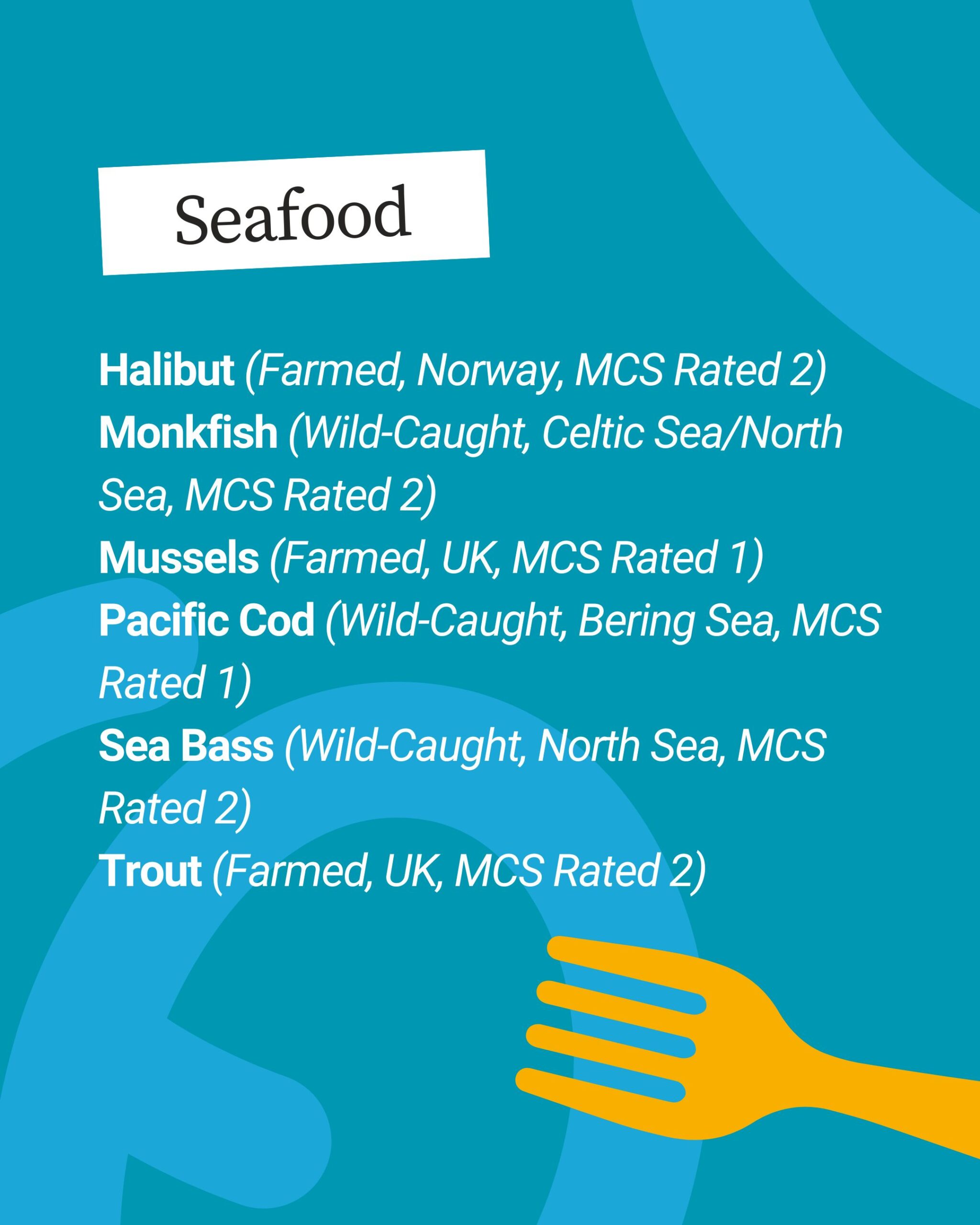
There is more positive news for recognisable British favourites. Wild sea bass has returned as a responsibly managed option and is well suited to seasonal and special menus. UK scallops are also easier to source responsibly this winter, while North Sea shrimp offers added confidence for shellfish dishes.
For premium menus, farmed halibut continues to stand out for its consistency, strong yields and dependable availability, offering a more reliable alternative to wild brill and turbot. Larger sizes of meagre remain tight as colder water slows growth, making sea bass an attractive alternative for shared plates and centre of plate dishes.
Monkfish remains one of the most dependable winter species, delivering consistent quality and broad menu versatility. Fresh mackerel should still be avoided, while native squid is now in season and works well for lighter starters and sharing plates.
Looking ahead to Valentine’s menus, tuna and swordfish are expected to remain in good condition and readily available. Lobster remains a natural feature for the occasion, although availability will remain weather dependent and demand is expected to stay high. Finally, mussels are in their best season, offering excellent provenance, flexibility and value for winter menus.
Fresh Produce:
The first arrivals of Spanish strawberries are now landing. While they will not yet rival the depth of flavour we see in high summer, they offer a timely lift for desserts and cocktail garnishes. They work beautifully sliced over warm chocolate fondant, folded through a light mascarpone cream, or paired simply with aged balsamic for a refined Valentine’s special. Alongside them, South African plums are arriving sweet, juicy and full of character, ideal for roasting with honey and thyme to sit alongside duck, pork or plant based mains.
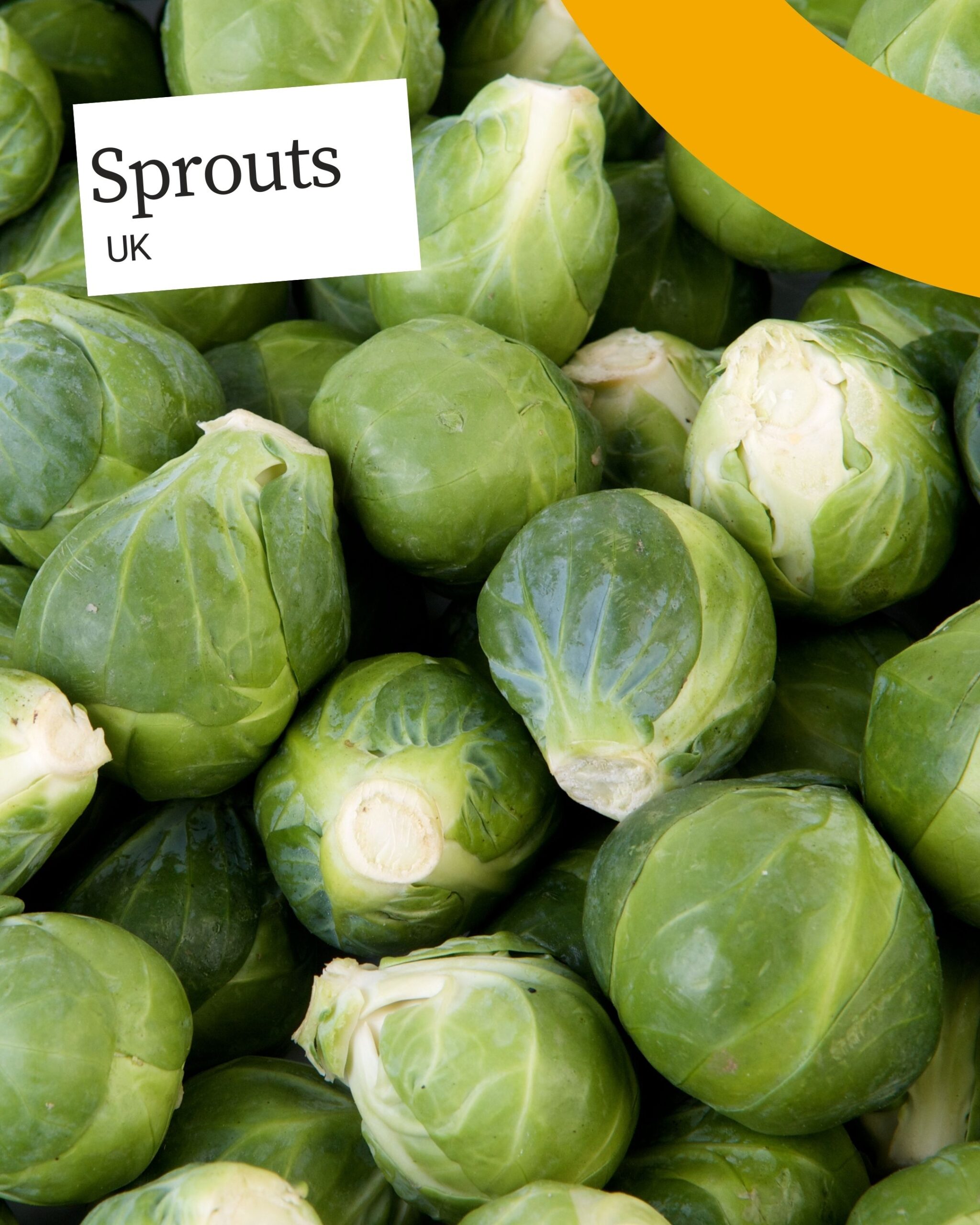
Winter greens continue to deliver real value in the kitchen. Purple sprouting broccoli is in great shape and shines when lightly charred and finished with chilli oil and lemon, or served on ricotta toast for a seasonal small plate. UK grown curly kale brings structure and colour, perfect for crisped kale shards over risotto or folded into a warm grain salad. White turnips, with their gentle peppery bite, make a lighter alternative to heavier roots and work well shaved into carpaccio with citrus and hazelnut for a romantic starter. The ever dependable celeriac remains a winter favourite, bringing depth to silky purées, slow roasted steaks or a rich celeriac and truffle soup for Valentine’s tasting menus. Sweet potatoes are also in excellent condition and lend themselves well to harissa roasted wedges, soft gnocchi or spiced mash as a comforting base for winter dishes.
Forced Yorkshire rhubarb continues to steal the spotlight this month. Its vivid colour and sharp sweet flavour are made for February plates, especially when roasted and paired with vanilla, ginger or white chocolate. It is also a beautiful match for richer meats such as pork or game, adding contrast and brightness. This is a short and much-loved season, so it is well worth making it a feature while it lasts.
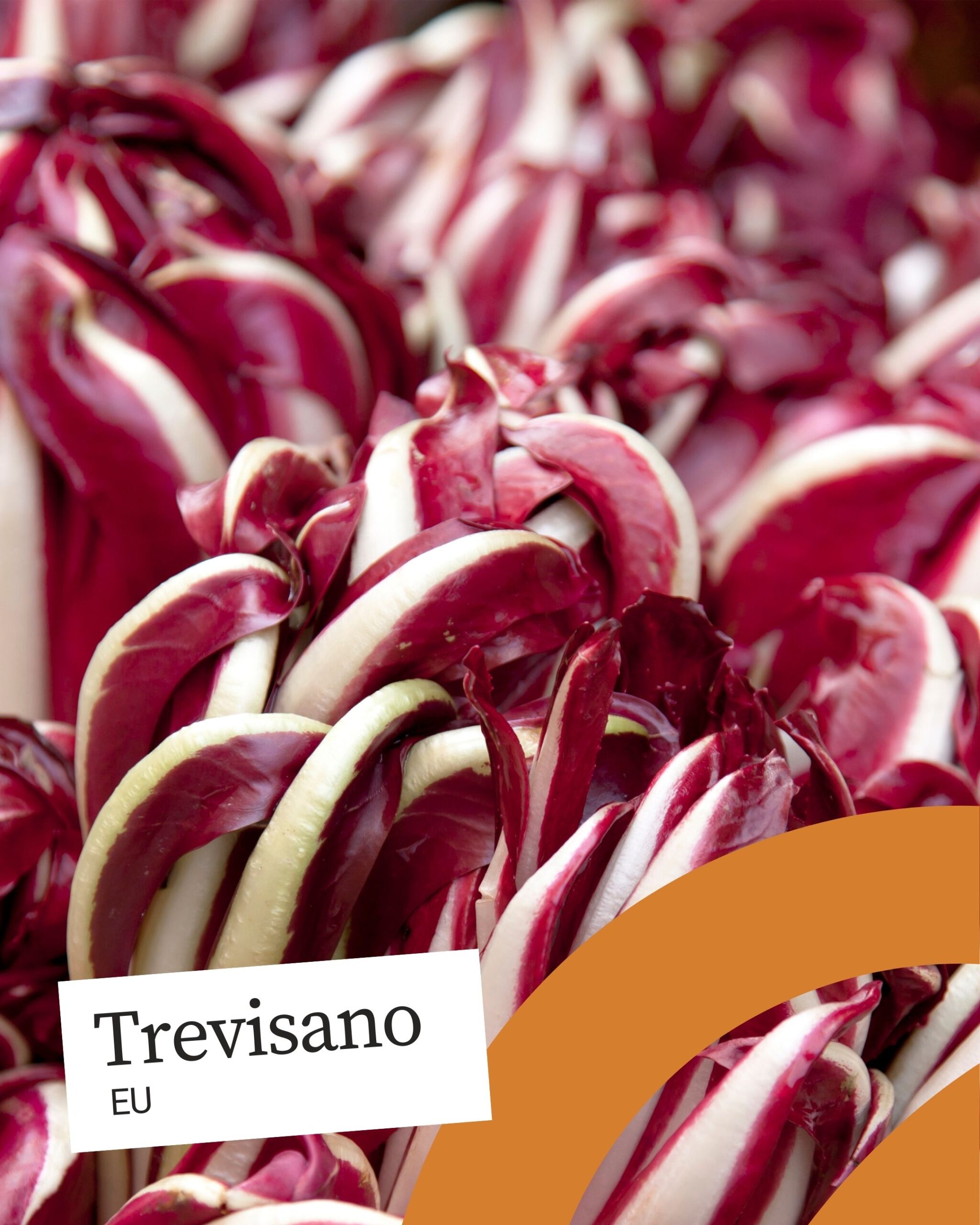
For chefs looking to add drama and elegance to Valentine’s menus, radicchio varieties including Chioggia, Treviso and Castelfranco are looking superb. Their natural bitterness pairs beautifully with orange, pomegranate or honeyed dressings and soft cheeses. Jerusalem artichokes remain a creative favourite, whether roasted and smashed with herbs and butter, folded through fresh pasta or puréed into a velvety base for scallops or mushrooms. Squash continues to offer comfort and colour, while parsnips and sprouts are still performing strongly and respond well to modern treatments such as maple roasting, glazing with miso or shredding into warm salads.
On the salad front, Spanish growers continue to face a very challenging run of conditions. Excessive rainfall, colder weather and logistical pressures are tightening supply across the market. Slower growth caused by cooler evening temperatures is creating shortages in cucumbers, peppers, courgettes, aubergines and tomatoes, and with demand holding firm, the balance remains difficult.
Iceberg lettuce has been particularly affected, with heavy rainfall damaging crops in key growing regions and placing further pressure on availability and consistency.
More recently, severe weather has added another layer of disruption. Storm conditions at Tangier Port have suspended truck movements, while red weather alerts across Almería and surrounding regions have temporarily paused harvesting, packhouse activity and some transport operations. This continues to affect loading schedules and short term availability.
The greatest constraints are currently being felt on peppers, cauliflowers, iceberg lettuce, tomatoes, watermelon, aubergines, cucumbers and courgettes. Delays to road freight from Morocco have also been confirmed, with harvesting reduced to protect quality until conditions improve.
Our team is always here for any questions or queries you may have about any of the information in this report.
Email us here: thehub@unitedfresh.co.uk
Or call us: 01789 339 106
Don't want to miss out?
Make sure you're following our socials to keep up to date with all things United Fresh!
Seasonality Information
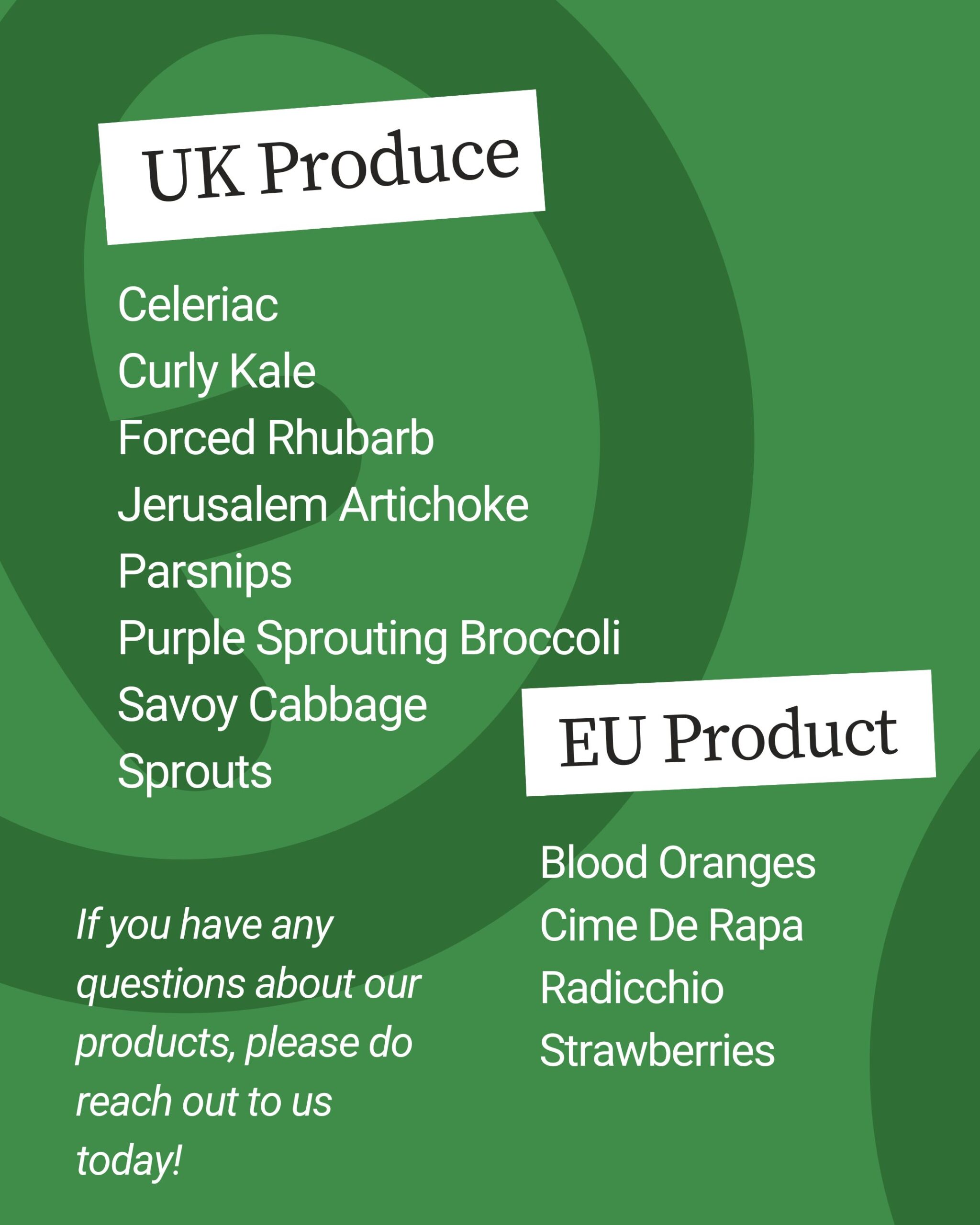
We’ve created a quick and easy visual guide to understanding what products are in season each month!




Disclaimer – This market report is here to guide you, based on the knowledge and experience of our experienced buyers. However, many factors can still influence the market, including unforeseen extreme weather, seasonal changes, supply and demand and climate change impacts.
Don’t stop there!
Read some of our other articles here:
September Market Report 2026
Our September market report covering current foodservice supply chain issues, seasonality, and predictions.

British potatoes are feeling the heat!
Drought and extreme heat are putting the 2026 UK potato crop under pressure, but what does this mean for yields, quality and foodservice supply? We explore what’s happening and why.
August Market Report 2026
Our August market report covering current foodservice supply chain issues, seasonality, and predictions.
