
UF News
This month, members of the United Fresh & Fresh Alliance team are heading to Fruit Attraction in Madrid, one of the fresh produce industry’s biggest international events, bringing growers, suppliers and buyers together from across the world.
For us, the trip is about much more than seeing what’s new. We’ll be meeting with existing supply partners, building relationships with new growers and exploring alternative sourcing opportunities as we head into the winter season.
With challenging growing conditions continuing across both the UK and Europe, having a diverse and dependable supply network has never been more important. Trips like this give our team the opportunity to speak directly with the people growing our produce, understand what’s happening at source and identify new opportunities that can strengthen our buying capabilities.
We’ll be bringing plenty of insight back with us. Hopefully a little Spanish sunshine too.
October Market Information
October marks a decisive change in the fresh food calendar. Autumn is firmly underway, British roots, brassicas and orchard fruit are coming into their own, and the produce supply chain is beginning its annual move south as the UK and Dutch seasons give way to Spain.
This year’s transition is likely to require a little more attention than usual. The prolonged dry weather that shaped the British summer has also affected Spanish growers, with limited rainfall creating uncertainty around crop development, availability and pricing as the new season gets underway.
Closer to home, the British potato market remains challenging, while dairy prices are facing renewed upward pressure and tighter livestock availability is keeping parts of the meat market firm. With Christmas now appearing on the horizon, October is very much a month for keeping one eye on the season and another on the market.
Meat:
As we move into the final quarter of the year, the meat market is being shaped by tight domestic livestock availability, changing international trade flows and the build-up towards Christmas.
British beef supply remains relatively tight. Prime cattle slaughter was running below last year’s levels during the first seven months of 2026, and while the breeding herd is showing some signs of stabilising, that won’t translate into additional finished cattle quickly. With festive demand approaching, the underlying market is therefore expected to remain firm.
The international picture adds another layer. Changes to Brazilian beef access in the EU, alongside shifting demand from China and the US, are redirecting global trade flows. The important distinction for the UK is that the September restriction on Brazilian animal products is an EU measure, not a GB ban, with Great Britain continuing to accept Brazilian imports while Defra conducts its own assessment. Rather than assuming this will lead to cheaper beef in Britain, the market report suggests tight domestic cattle numbers should continue to support British product.
Lamb is following a similar pattern. UK availability remains relatively tight, while New Zealand and Australia are not currently providing the volume of lower-priced product buyers might traditionally expect. Prices have eased from their spring highs, but constrained supply continues to keep the underlying market firm.
Poultry offers a little more stability. UK production has remained healthy overall, although availability and pricing can vary considerably between individual cuts as demand changes. Chicken thigh in particular has become an increasingly important foodservice line.
With Christmas demand beginning to build, forward planning across beef and lamb will become increasingly important over the coming weeks.
Dairy:
The dairy market is once again experiencing upward price pressure, with reduced milk availability and rising global fuel costs increasing both production and distribution costs.
Further increases are expected as we approach Christmas, with cream and butter likely to feel some of the greatest pressure over the coming months. Our buying team continues to work closely with producers and supply partners across the UK to manage the impact and maintain continuity of supply.
For chefs beginning their festive planning, this is one area of the market worth keeping a particularly close eye on.
Fresh Produce:
October marks a significant shift in where much of our fresh produce comes from, as British and Dutch supply gradually gives way to the new Spanish growing season. Over the coming weeks, lettuce, tomatoes, cucumbers, peppers, broccoli, onions, berries and aubergines will increasingly transition towards Spanish supply.
This year’s changeover will be watched particularly closely. Spanish growers have experienced many of the same challenges faced in the UK throughout the summer, with prolonged dry weather and limited rainfall affecting crop development. Availability, quality and pricing across these key lines will therefore be closely monitored as the Spanish season gathers pace.
Back in Britain, potatoes remain one of the biggest areas of concern. The difficult growing conditions experienced throughout the summer continue to affect availability, particularly across larger sizes. We are currently working within the terms of force majeure and exploring alternative sourcing opportunities across Europe and further afield to help maintain continuity as we approach the busy Christmas period.
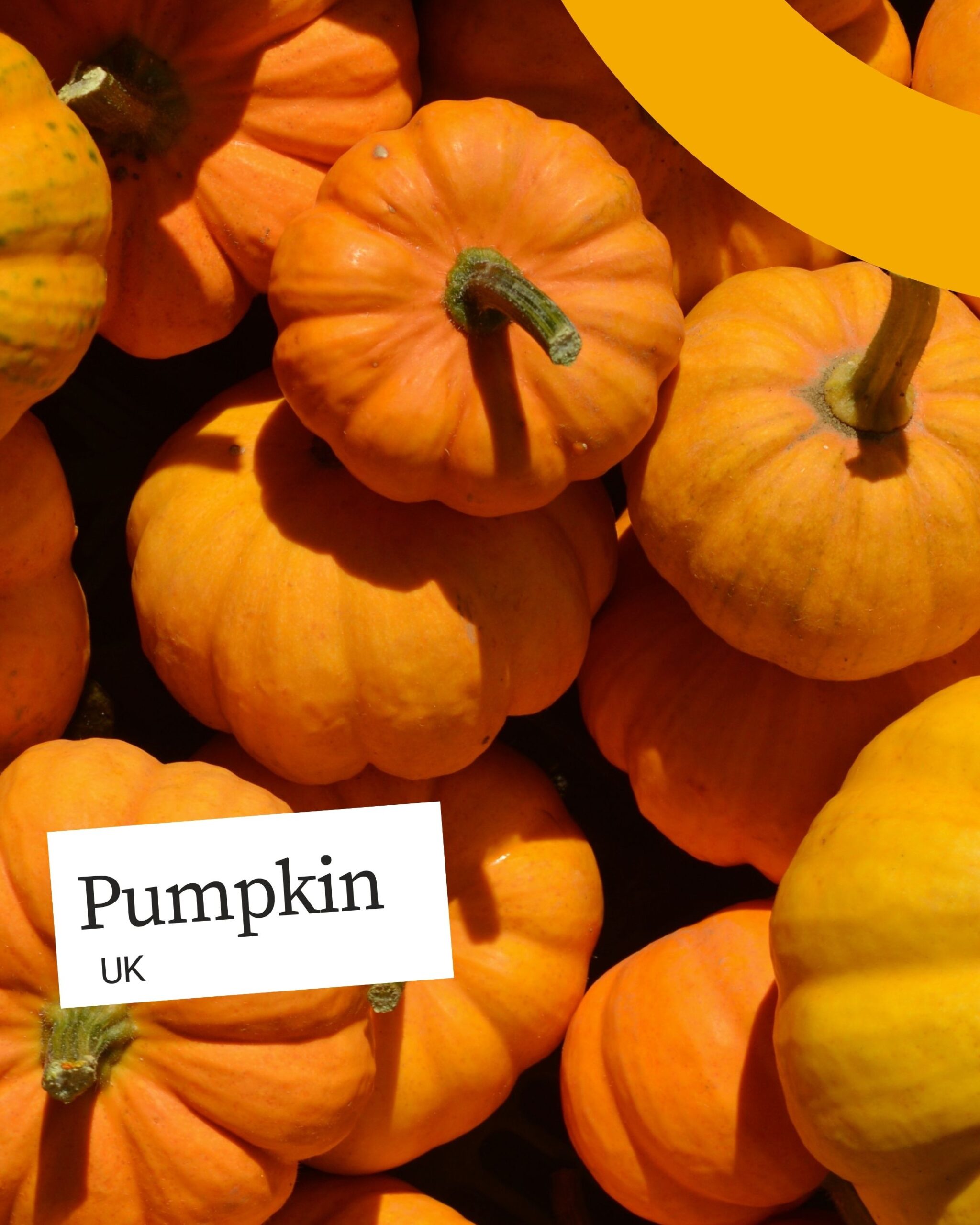
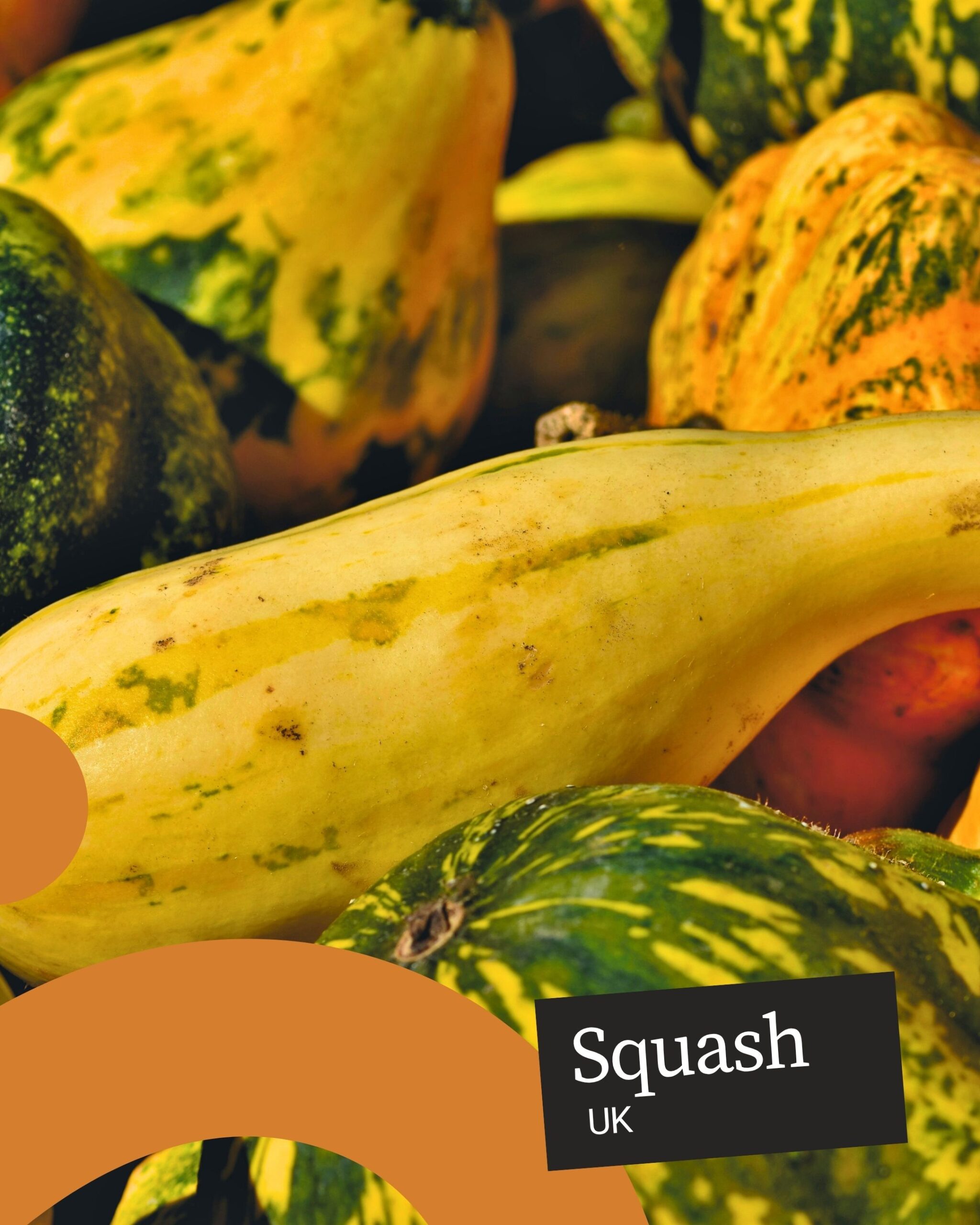
October does, however, bring plenty to celebrate. Pumpkins are now readily available for Halloween and autumn menus, alongside British-grown decorative gourds, which are back for the season and make a striking addition to restaurant, hotel and event displays.
Our team is always here for any questions or queries you may have about any of the information in this report.
Email us here: thehub@unitedfresh.co.uk
Or call us: 01789 339 106
Don't want to miss out?
Make sure you're following our socials to keep up to date with all things United Fresh!
Seasonality Information
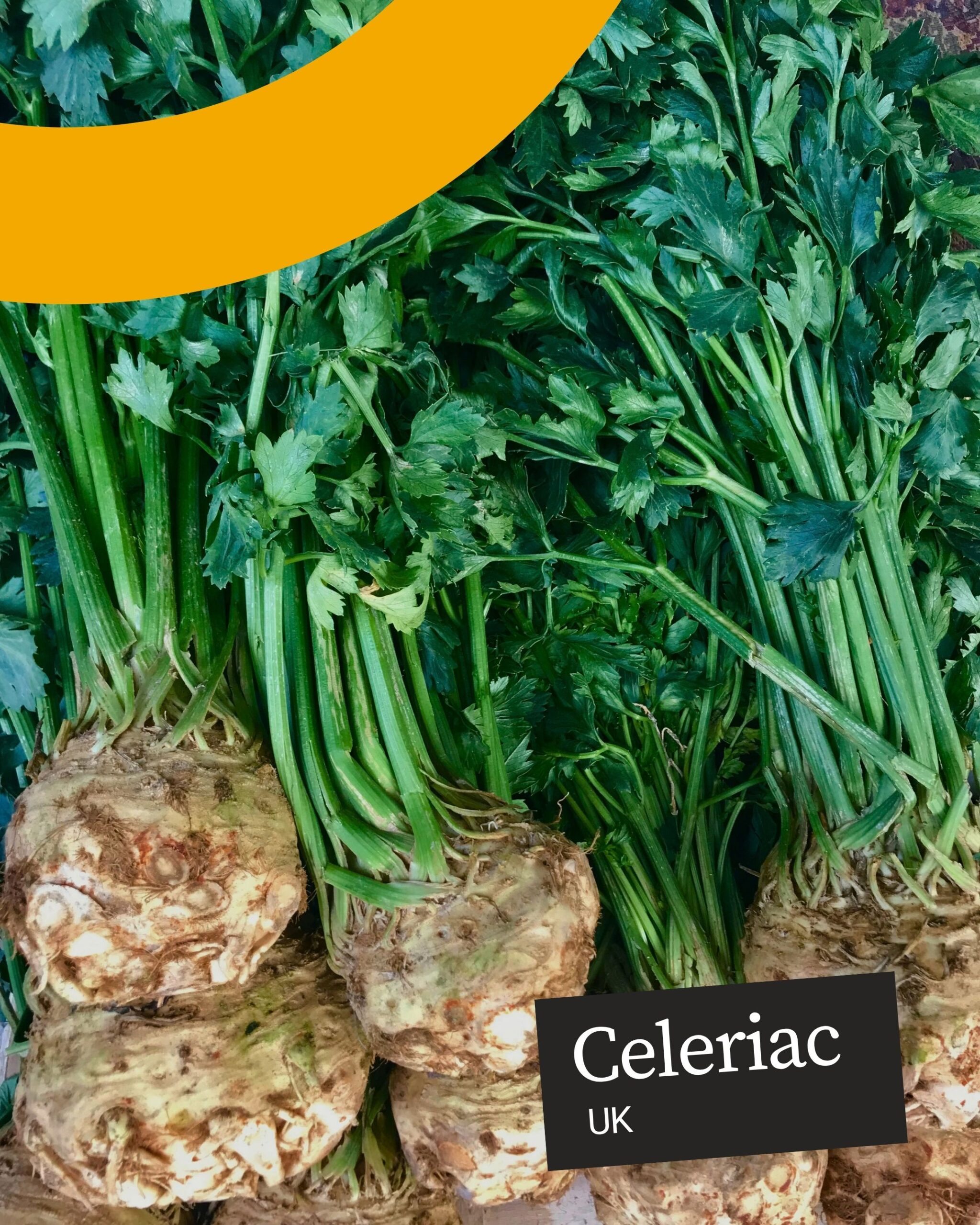
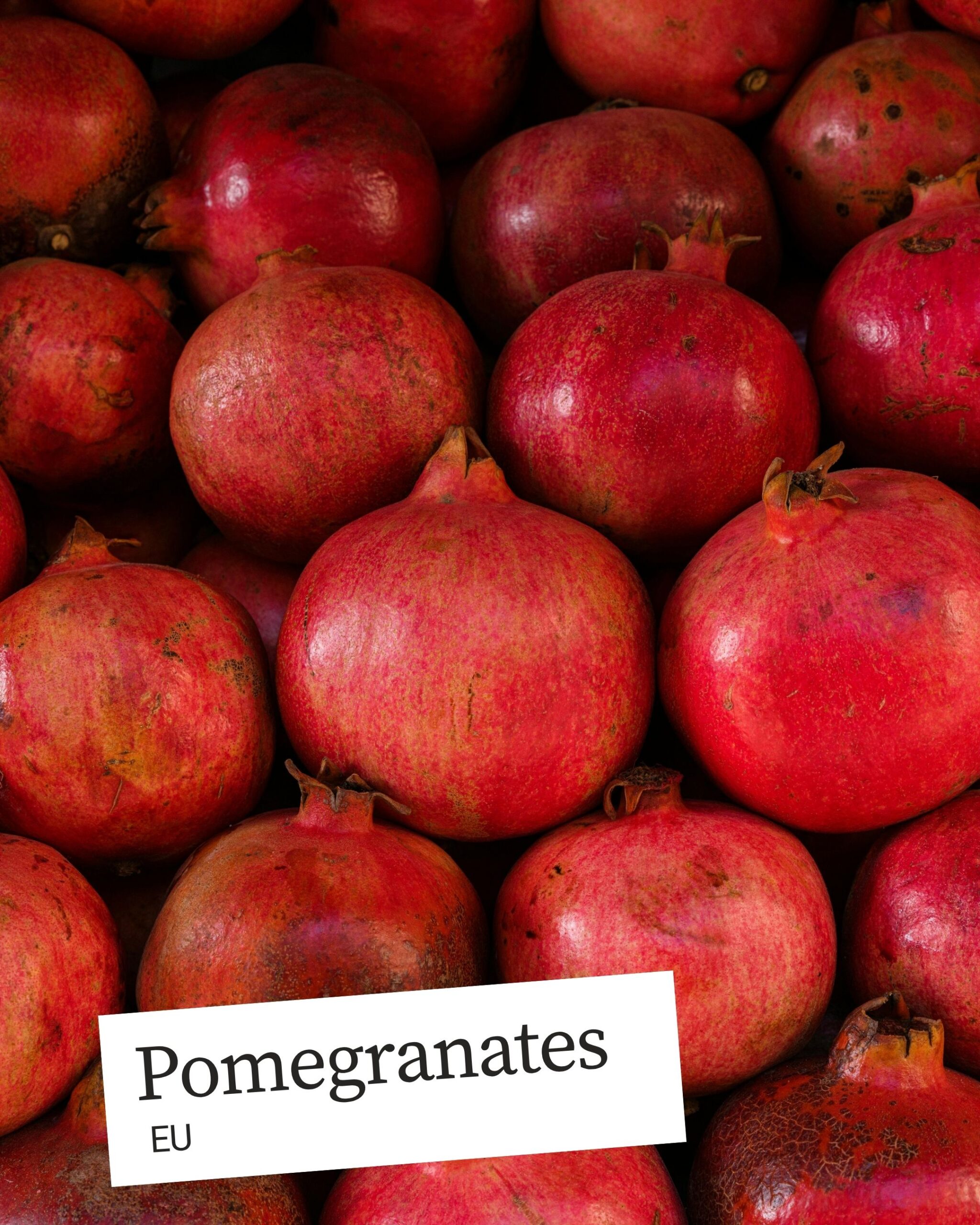
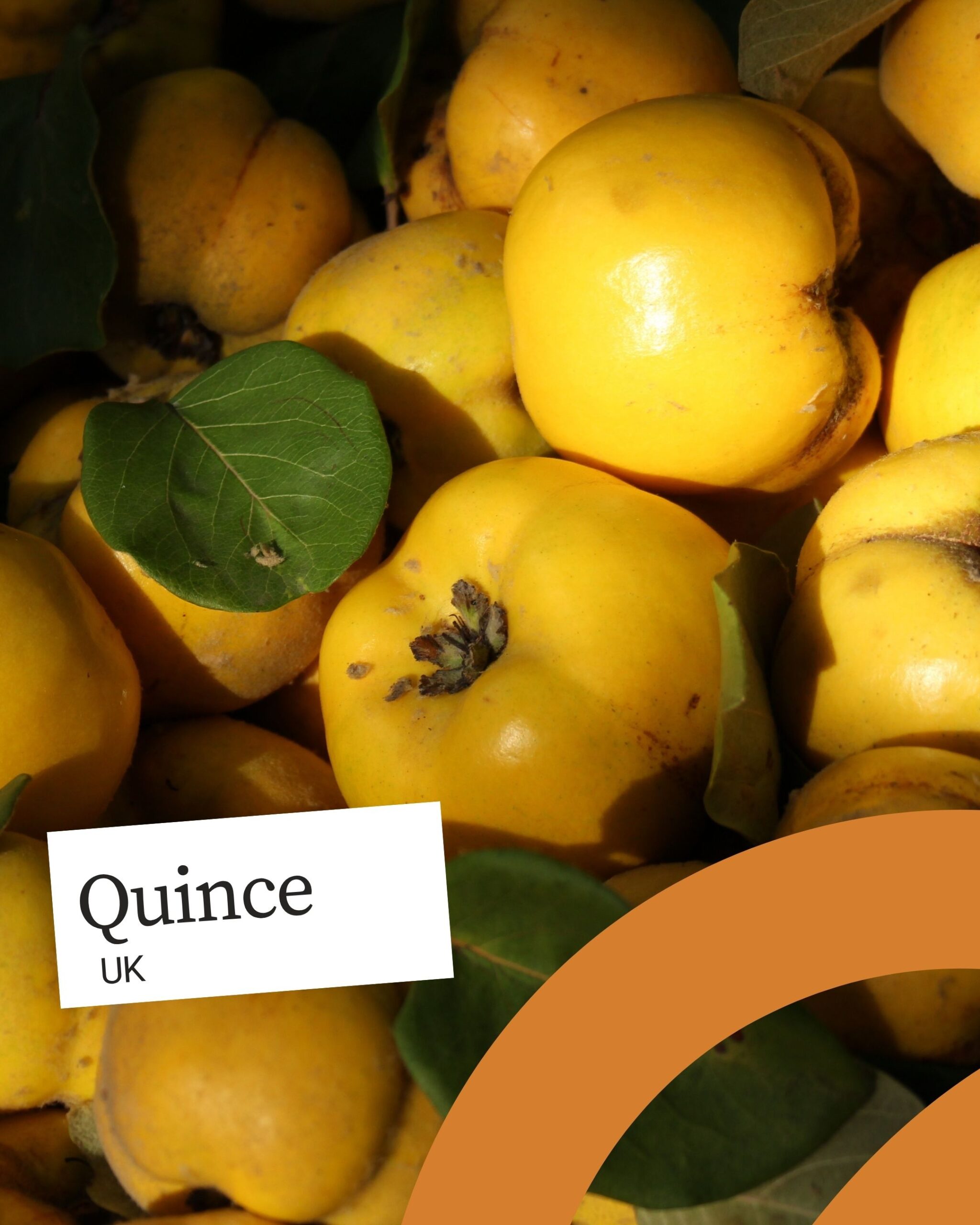
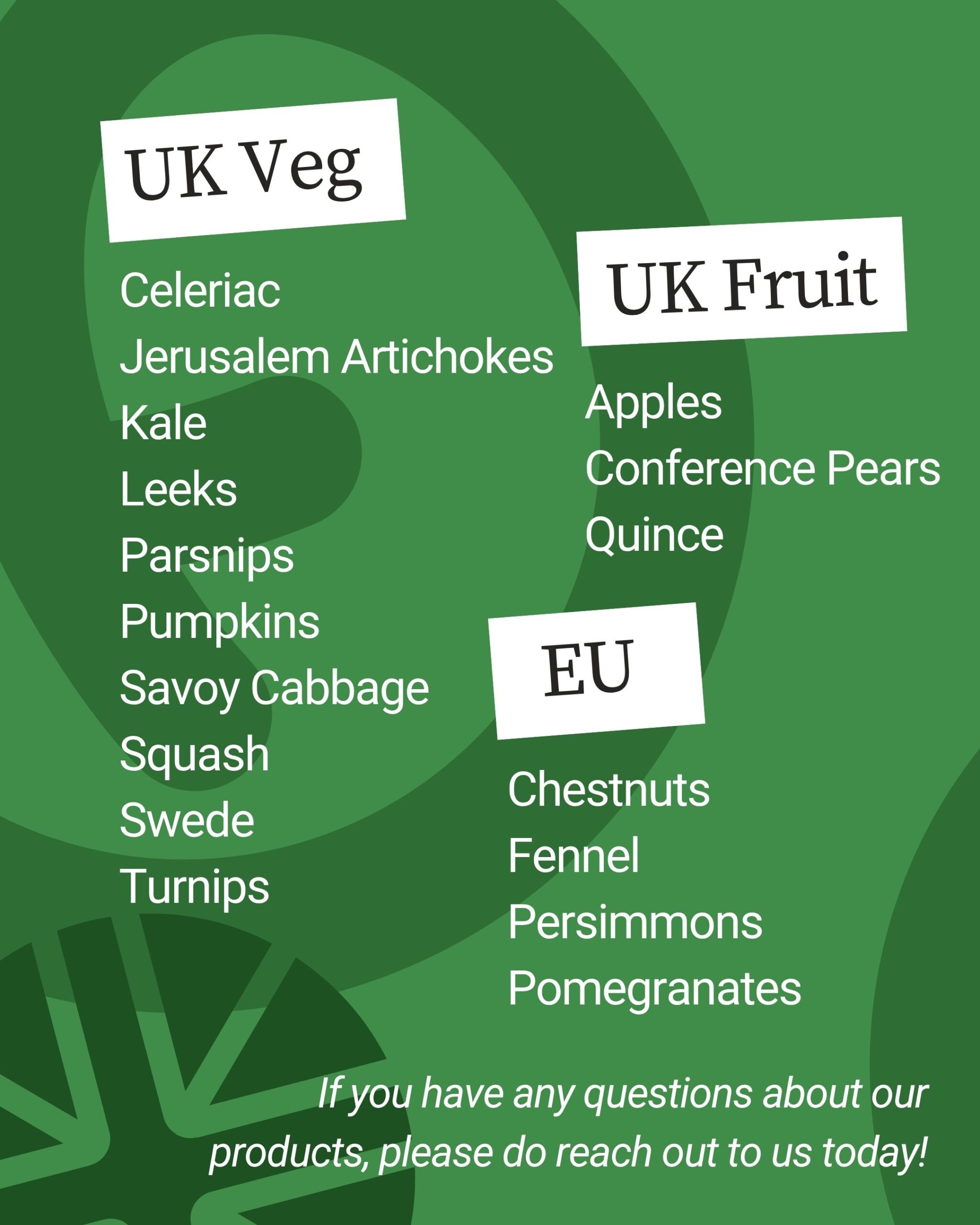
We’ve created a quick and easy visual guide to understanding what products are in season each month!

Disclaimer – This market report is here to guide you, based on the knowledge and experience of our experienced buyers. However, many factors can still influence the market, including unforeseen extreme weather, seasonal changes, supply and demand and climate change impacts.
Don’t stop there!
Read some of our other articles here:
October Market Report 2026
Our October market report covering current foodservice supply chain issues, seasonality, and predictions.
September Market Report 2026
Our September market report covering current foodservice supply chain issues, seasonality, and predictions.

British potatoes are feeling the heat!
Drought and extreme heat are putting the 2026 UK potato crop under pressure, but what does this mean for yields, quality and foodservice supply? We explore what’s happening and why.
