
UF News
We are now over a month into the rollout of Footprints, our new CO₂ visibility initiative designed to bring greater transparency to foodservice purchasing. Since launch, Footprints has added a single, clear CO₂ footprint figure to every United Fresh invoice, helping clients better understand the environmental impact of their orders and supporting Scope 3 emissions reporting.
The response so far has been encouraging, with many clients welcoming the added clarity and simplicity of having trusted carbon data available where they already review spend. Importantly, Footprints has been designed to support clients without changing how they order or operate day to day, reinforcing our commitment to practical, usable sustainability solutions.
This launch represents the first phase of a wider data journey at United Fresh. As we continue to develop Footprints, our focus remains on improving visibility, accuracy and value, while working closely with clients and partners to support long-term, responsible progress across the supply chain.
Learn more about Footprints by reaching out to your United Fresh account manager today!
January Market Information
January arrives quietly, with frost on the ground and a slower rhythm in the kitchen. The excess of December fades, replaced by a sharper focus on flavour, texture and purpose. This is a month shaped by restraint and clarity. Earthy roots, sturdy brassicas and bitter winter leaves take centre stage, bringing depth and warmth to plates that feel grounding rather than indulgent. At sea, cooler waters and shifting stocks call for flexibility, rewarding chefs who are willing to adapt and explore beyond the familiar. January is about cooking with intent, leaning into what the season does best, and setting the tone for the year ahead with menus that are thoughtful, balanced and quietly confident.
Seafood:
January seafood trading continues to demand adaptability, with sustainability guidance and supply pressures shaping menu decisions more than ever.
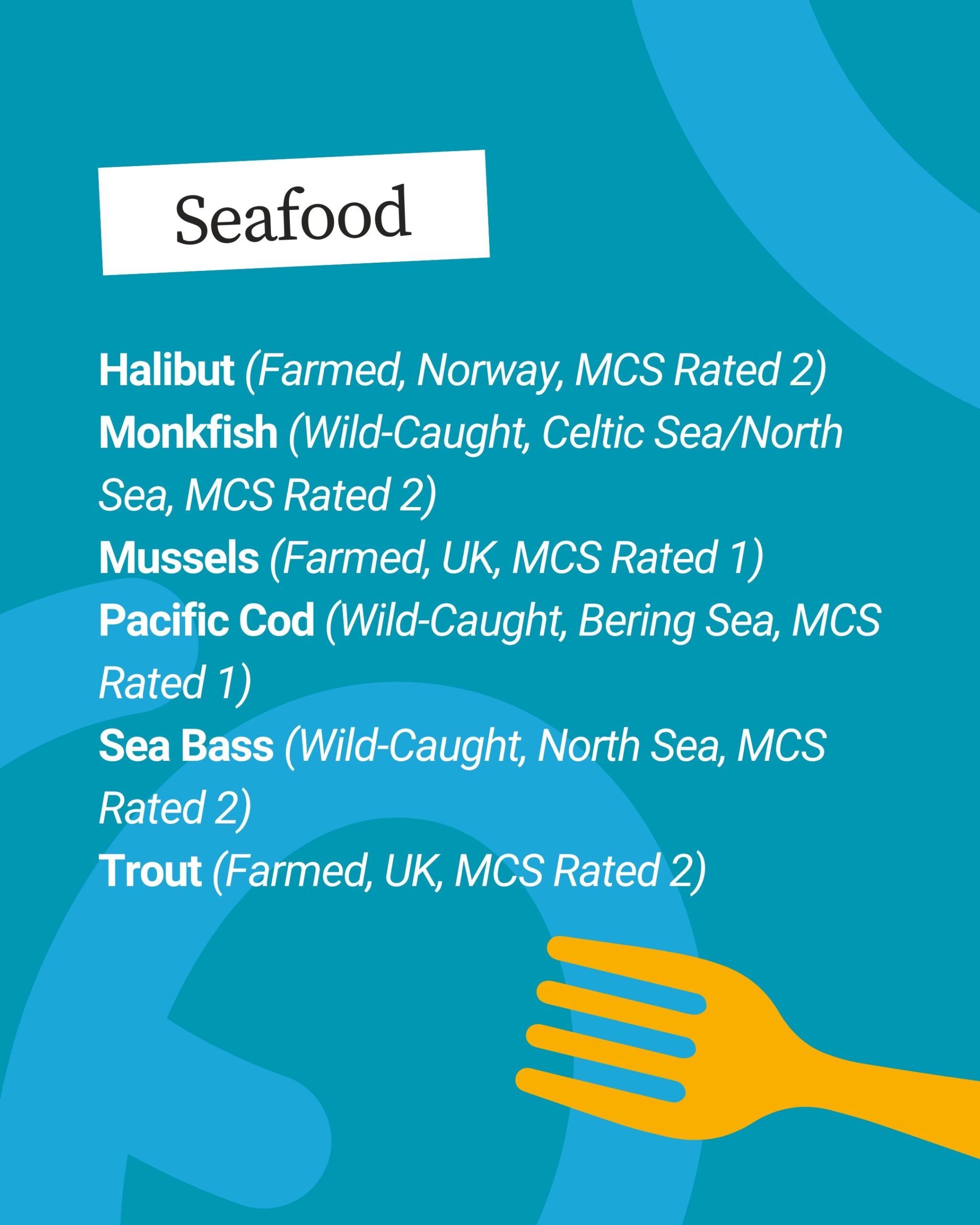
Whitefish remains the most challenged category. As you found out last month, reduced quotas in the Bering Sea have significantly restricted supply, removing this source as a viable option for many operators and tightening availability across the wider market. In response, attention has shifted to Pacific Cod, which offers a certified, more sustainable alternative and helps maintain consistency where frozen lines are required. For fresh supply, Icelandic Cod alongside Scottish and Icelandic Haddock remain the most dependable options, supported by stronger stock management and more stable ratings. Some fisheries supplying Coley and Haddock are facing increased scrutiny, meaning careful origin selection is essential to protect both sustainability and continuity.
On a happier note… there is welcome progress elsewhere. Wild Sea Bass has benefited from long term improvements in management and stock recovery, allowing it to re-enter menus as a responsibly sourced choice for the winter months while availability permits.
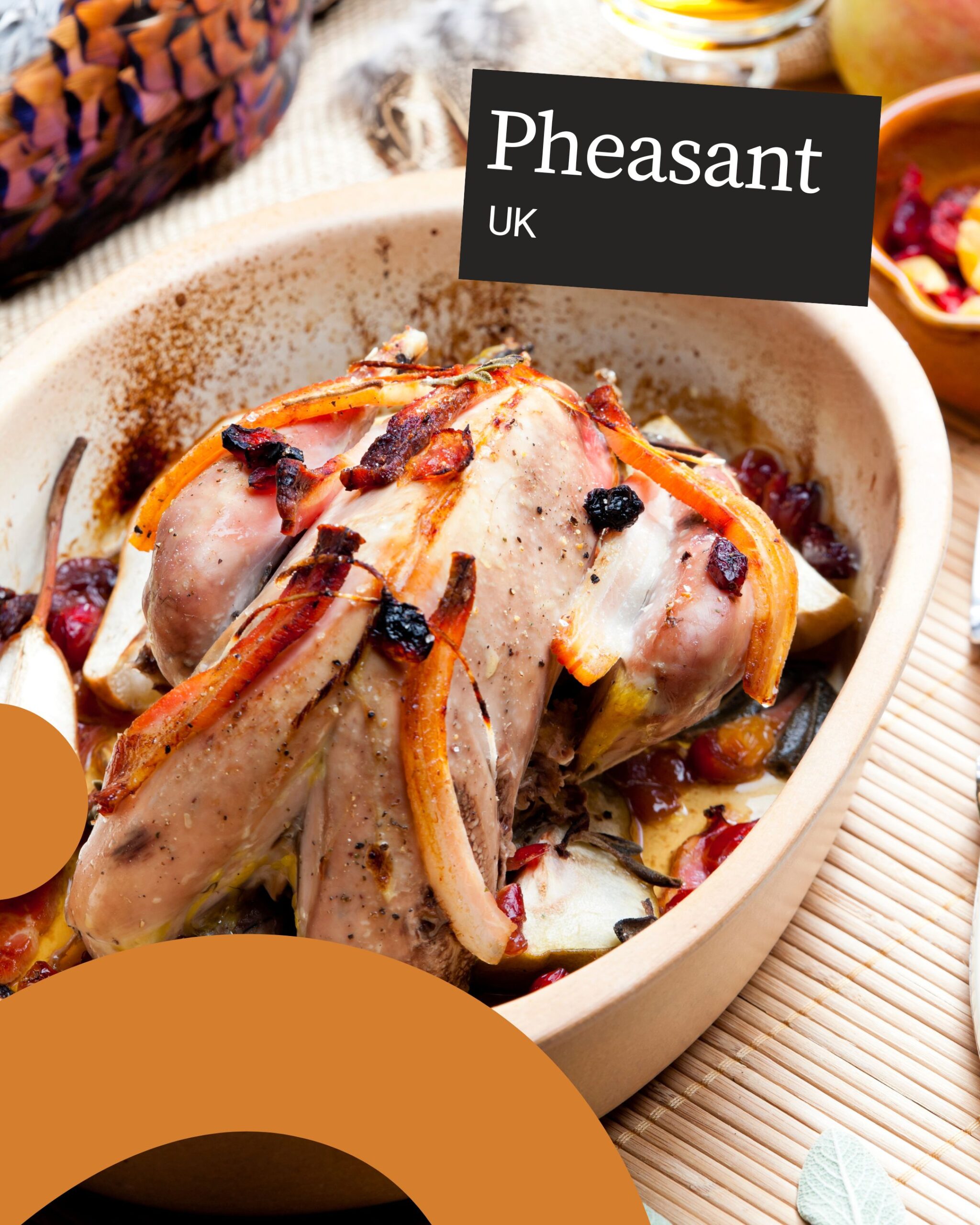
Salmon pricing remains elevated, following typical seasonal patterns, with reduced harvesting likely to create tighter supply through the middle of the month. Trout continues to support menus well, particularly in smoked formats. Norwegian sea reared trout offers a close match to salmon in size, yield and application, and pricing is expected to track in line with salmon movements. Smaller freshwater trout remain more stable but tend to deliver lower yields.
Among premium species, Farmed Halibut stands out for its reliability. Pricing is steady, yields are strong and its sustainability credentials make it a sound alternative to wild flatfish. Meagre is under some pressure as colder water temperatures slow growth rates, particularly affecting the availability of larger fish.
Flatfish should be selected with care. Plaice quality declines as spawning approaches, reducing usable yield and driving up fillet costs, making it better suited to being rested until spring. Lemon Sole remains popular through winter but requires careful sourcing following changes to sustainability guidance.
Hake demand typically eases after Christmas and prices are expected to soften as fishing effort resumes, weather permitting. Monkfish continues to offer consistent quality year round, though prices often peak in December before easing later in January. Mackerel remains one to avoid due to ongoing pressure on stocks and escalating costs.
Fresh Produce:
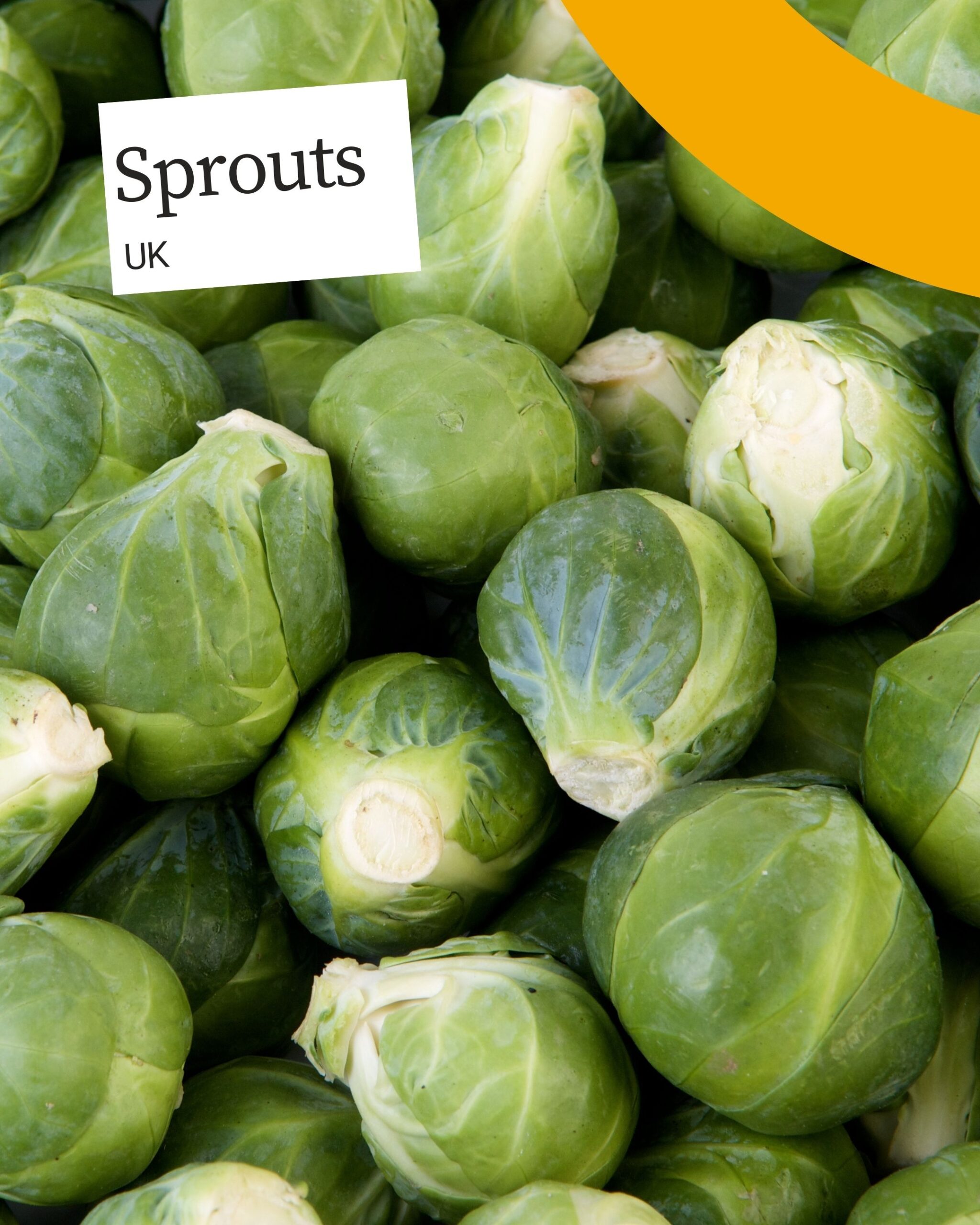
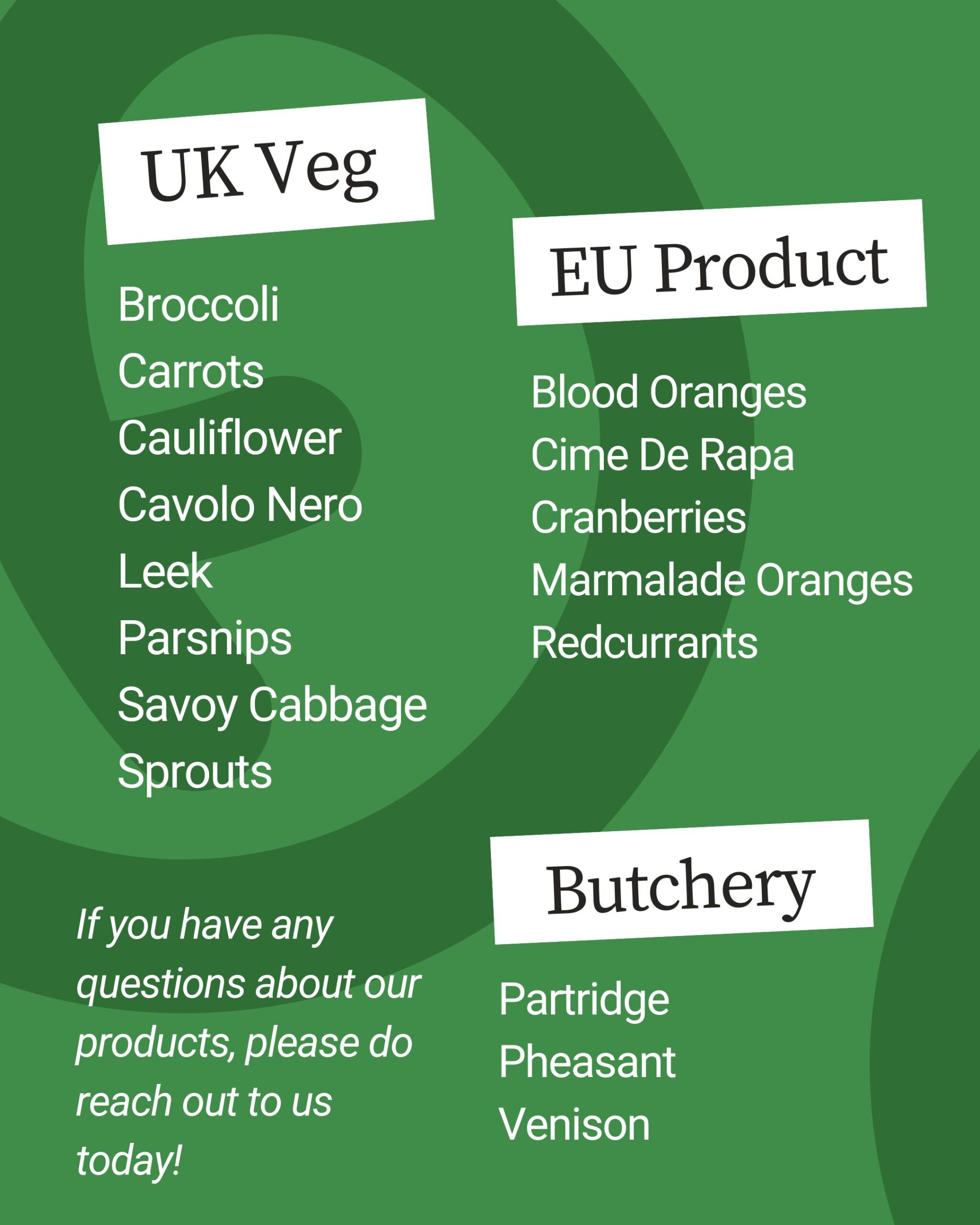
Parsnips are a standout this month, with cold conditions intensifying their natural sweetness and depth of flavour. They aren’t just for Christmas…! Sprouts continue to shine well beyond the festive period, delivering excellent quality and versatility across both classic and modern dishes. UK Beetroot, including red, golden and candy varieties, offers strong colour and firmness, while UK Carrots, from standard to heritage and Chantenay, remain consistent and reliable. Now onto those winter favourites, Savoy Cabbage is performing well, providing structure and flavour for winter cooking. Broccoli is largely supplied from Spain at this time of year, offering dependable quality, while Cauliflower is supported through a blend of UK and European supply to maintain continuity. Potatoes remain steady, forming a dependable base for winter menus.
Salad production is still firmly in southern Europe, with Little Gem, Cos and Iceberg continue to be predominantly Spanish. Baby Leaf continues through a mix of UK (glasshouse) and European supply with no major concerns. Bitter leaves and winter greens are thriving, with Cime di Rapa, Italian Radicchio, Castelfranco, Chicory and Endive all delivering excellent quality and standing up well to richer dressings and robust winter flavours. Fennel, Celery, Banana Shallots and Butternut Squash are also performing strongly and should not be overlooked!! A bit of a different recommendation, but Salsify offers a seasonal opportunity for chefs looking to introduce something distinctive and versatile to menus.
Winter fruit reflects the season. Cranberries are firm and vibrant, Blood Oranges bring striking colour and depth, and Redcurrants remain available from European growers. Forced Rhubarb is a January highlight, traditionally produced in Yorkshire and harvested by hand, offering vivid colour and exceptional flavour. Bramley Apples continue to excel for crumbles, cakes and bakes, while Spanish Nadorcotts provide reliable sweetness and balance. Marmalade Oranges arrive briefly, marking a short but much anticipated seasonal window.
Soft fruits such as Strawberries and Raspberries are imported during winter and tend to offer less value and flavour at this time of year. January is better served by leaning into roots, brassicas, bitter leaves and winter citrus, where quality, consistency and seasonality align most naturally. Cucumbers, Peppers and Aubergines have seen firmer pricing due to cooler growing conditions and logistical gaps, with cucumbers and aubergines expected to stabilise as supply settles.
Our team is always here for any questions or queries you may have about any of the information in this report.
Email us here: thehub@unitedfresh.co.uk
Or call us: 01789 339 106
Don't want to miss out?
Make sure you're following our socials to keep up to date with all things United Fresh!
Seasonality Information
We’ve created a quick and easy visual guide to understanding what products are in season each month!




Disclaimer – This market report is here to guide you, based on the knowledge and experience of our experienced buyers. However, many factors can still influence the market, including unforeseen extreme weather, seasonal changes, supply and demand and climate change impacts.
Don’t stop there!
Read some of our other articles here:
September Market Report 2026
Our September market report covering current foodservice supply chain issues, seasonality, and predictions.

British potatoes are feeling the heat!
Drought and extreme heat are putting the 2026 UK potato crop under pressure, but what does this mean for yields, quality and foodservice supply? We explore what’s happening and why.
August Market Report 2026
Our August market report covering current foodservice supply chain issues, seasonality, and predictions.
