
Exciting UF News
This month marks an exciting step forward for not only our business, but for our industry, with the launch of Footprints by United Fresh, a new initiative created to bring transparency, provenance and sustainability to the forefront of every plate. Footprints gives chefs, buyers and operators a clearer understanding of where ingredients come from, how they were grown or caught and the journey they take before reaching the kitchen.
As consumer interest in ethical sourcing continues to rise, Footprints makes it easier than ever to communicate those values with confidence.
With December now underway and both supply chains and kitchens moving at full festive speed, Footprints arrives at the perfect moment. From produce seasonality to seafood sustainability ratings, this new tool helps you navigate the busiest month of the year with clarity and reliability, ensuring every ingredient has a verified story behind it.
Read the full announcement here!
December Market Information
December brings a shift into the heart of winter, where cooking turns richer, ingredients get sturdier and kitchens lean into warmth, generosity and comfort. The fields are slower now, yet full of character. Sprouts, parsnips, cranberries, brassicas and winter roots step into the spotlight, forming the backbone of festive menus.
From orchards and glasshouses to fisheries and farms, this is a month of careful sourcing and smart planning. Produce transitions to Spain, berries move between continents and core winter veg hits its peak. In butchery, demand intensifies across beef, lamb, pork and poultry, with turkey taking centre stage in both whole bird and prepared formats. At sea, sustainability updates shape decision-making, with certain whitefish tightening and others stepping forward as better-rated alternatives.
December rewards those who cook seasonally, embrace flexibility and let the month’s richer colours, textures and flavours shine.
Eggs:
One of the most watched categories this month is eggs, where availability is tightening fast. Seasonal demand is climbing at the same time as Avian Flu continues to affect farms across the UK and Europe. Because a single positive case results in whole flocks being culled, the number of available laying hens drops quickly. That reduction, coupled with the financial risk growers face, is pushing farm prices up and filtering through to processors and customers. We will keep monitoring this closely to help minimise disruption.
Butchery:
Beef continues to see strong demand despite high prices, and December brings its own seasonal rhythm as festive cuts take centre stage. Alongside the usual roasts and grills, chefs are leaning into celebratory favourites such as fore rib, sirloin joints, fillet, rump caps, and slow-braising cuts like short rib and brisket. These offer both indulgence and versatility across Christmas menus, from traditional centrepieces to elevated sharing feasts. After a year of steep increases in deadweight costs, there is cautious optimism that the pace of inflation will ease as we move into the new year, though quality remains excellent and demand steady.
For lamb, the landscape is shifting. Traditional UK consumers are eating less of it, but strong demand from Europe keeps the market firm. As supply begins to overtake domestic appetite, there is expectation that prices may soften in the new year. For now, lamb offers chefs a premium but rewarding option for festive menus, with its depth of flavour lending itself beautifully to slow-braising, roasting and aromatic winter dishes.
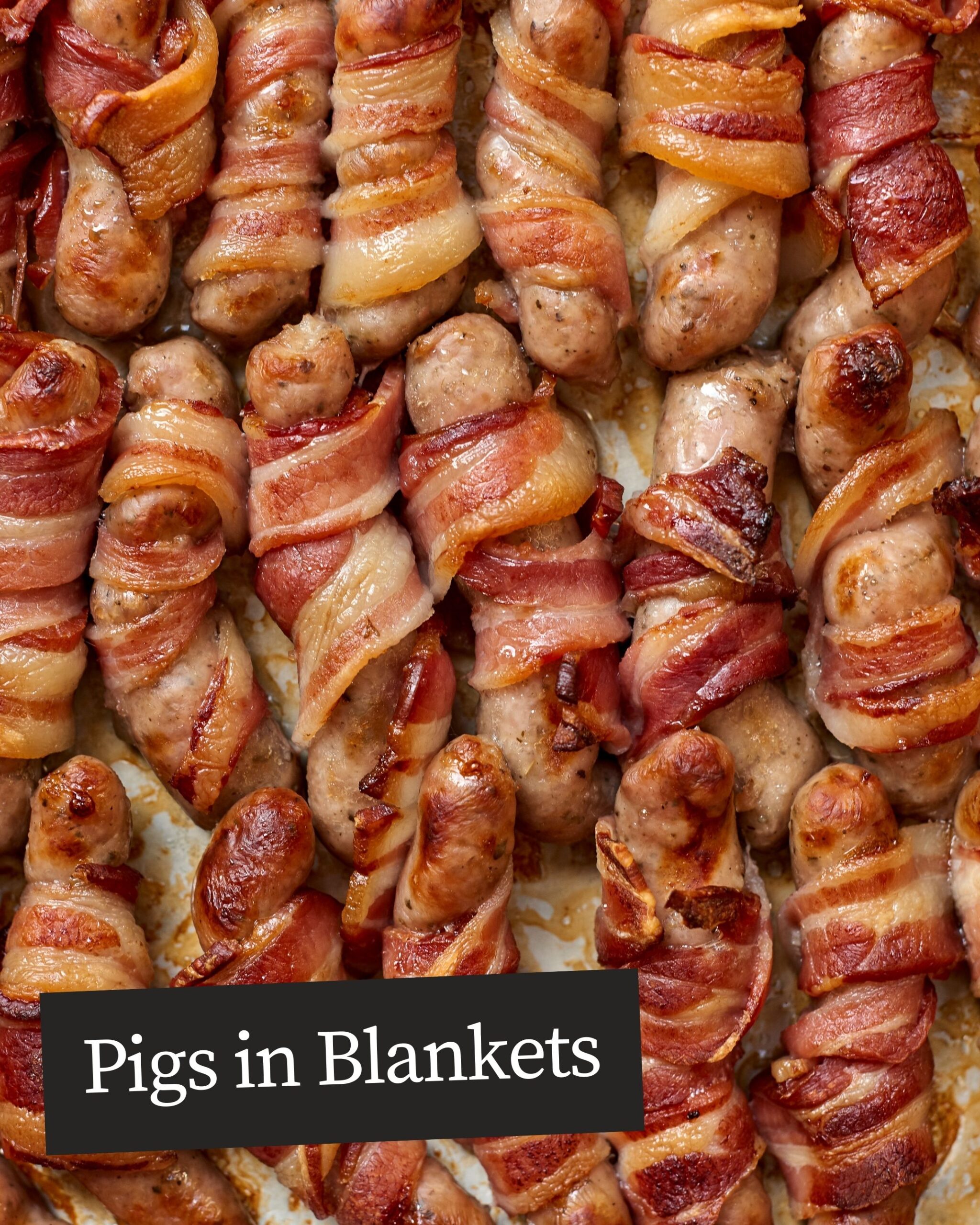
The pork market is comparatively steady. Retailers are keeping prices low to maintain pork as a value-friendly protein, and hospitality continues to use it creatively. December, of course, brings heightened demand for pigs in blankets, and availability remains good across both standard and premium formats. Whether used traditionally as a Christmas trimming, built into small plates or reimagined for modern menus, pigs in blankets remain one of the season’s most-loved essentials. Pork shoulders, bellies and loins also continue to offer excellent versatility for comfort-driven menus.
In the world of poultry, affordability remains essential. These are the proteins diners are most likely to switch to when budgets tighten. Processors are investing heavily in new product development to keep chicken interesting while navigating planning challenges that continue to delay progress on welfare initiatives such as the Better Chicken Commitment. Retail pricing should stay steady, but foodservice may see gentle increases as processors balance their risk across both sectors. Poultry remains a strong, flexible category for winter menus, particularly as chefs look for reliable, cost-effective centrepieces.
Festive preparations naturally bring us to turkey, which is in good supply this season. Availability is strong across whole birds and a wide range of prepared formats, giving chefs the flexibility to choose what best suits their service. Options include crowns, boneless joints, stuffed portions, butterflied cuts and ready-to-roast roulades, all designed to support smoother service during the busy weeks ahead. Whether featured as a hero dish, carved at the pass or refined into canapés, turkey remains a dependable foundation for December menus.
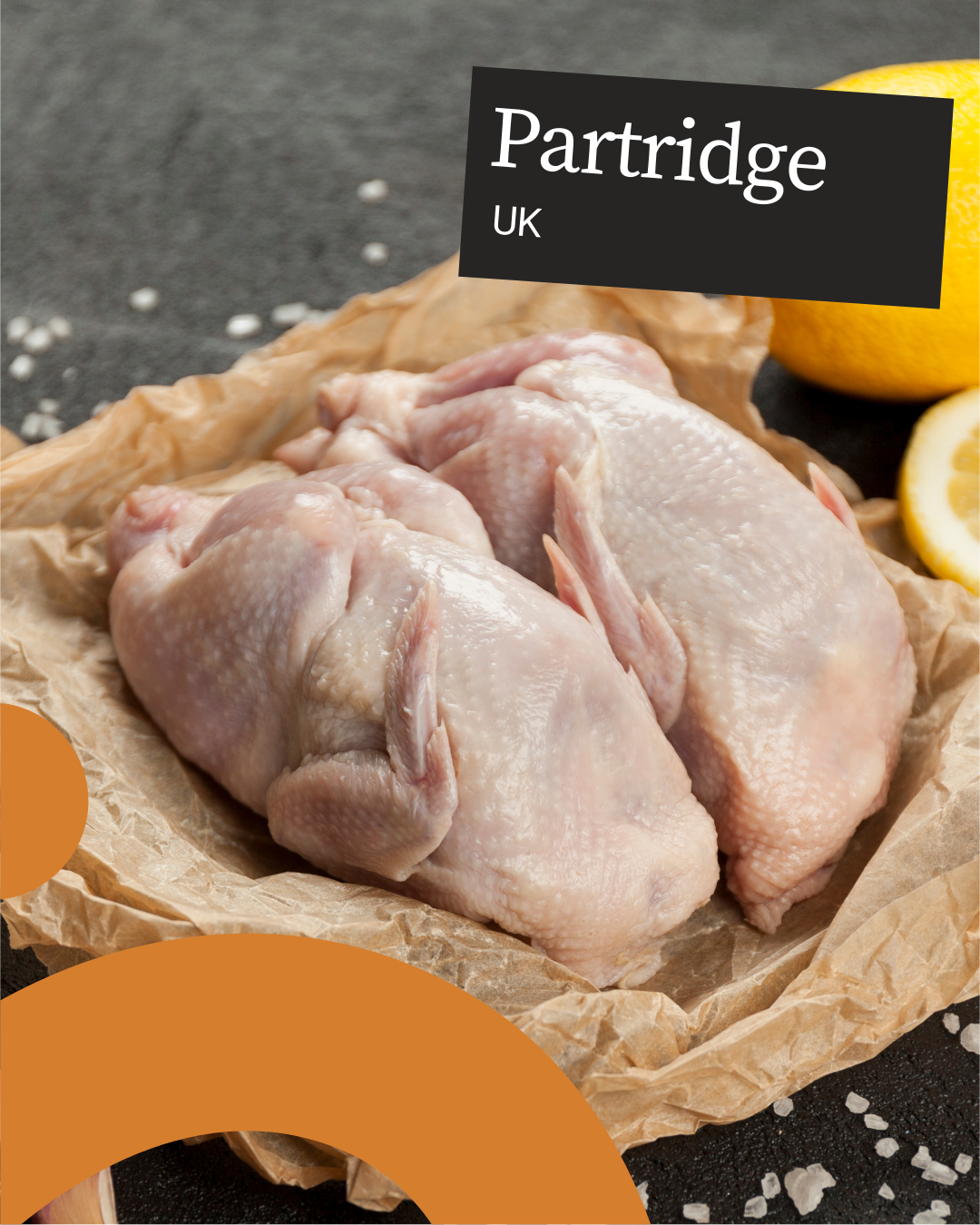
Game also steps into the spotlight this month, bringing depth, richness and a sense of seasonality that fits December perfectly. Venison from red, roe, fallow and sika deer is in excellent condition, offering lean, flavourful cuts ideal for roasting joints, slow braises or elegant plated mains. Pheasant is at its peak and remains a winter favourite, while partridge brings a lighter, more delicate option for chefs seeking smaller centrepieces. For those looking to introduce something truly atmospheric, mallard, teal and woodcock deliver that unmistakably gamey character that works so well with festive flavours like juniper, red wine, pancetta and winter brassicas. With quality high and availability strong across most species, now is a brilliant moment to let game play a starring role alongside your classic Christmas proteins.
Fresh Produce:
Nearly all UK potatoes are now harvested and safely in store, giving a solid base for December trading. Quality will be reviewed closely throughout the season however, as this year’s hot spring and summer raised dry matter levels in many crops. While flavour is excellent, the more delicate texture means some varieties may be more prone to bruising. We will provide updates if needed as the season progresses.
The position on cabbage remains challenging. Both red and white cabbage continue to struggle with weight and consistency, and oedema is still affecting the appearance of some crops. Sweetheart cabbage is currently split between UK and Spanish supply and will fully transition to Spain by the end of the month.
The berry market is firmly in winter mode. The short Dutch glasshouse season is nearing its end, and growers are grading out more heavily to ensure only the best fruit moves through the supply chain. To support early season Moroccan production, a small proportion of air freighted Egyptian Berries are being used to maintain steady availability. Raspberries in particular are currently between regions in Morocco, which is creating some temporary tightening, but thanks to our supply partners we have managed the transition smoothly.
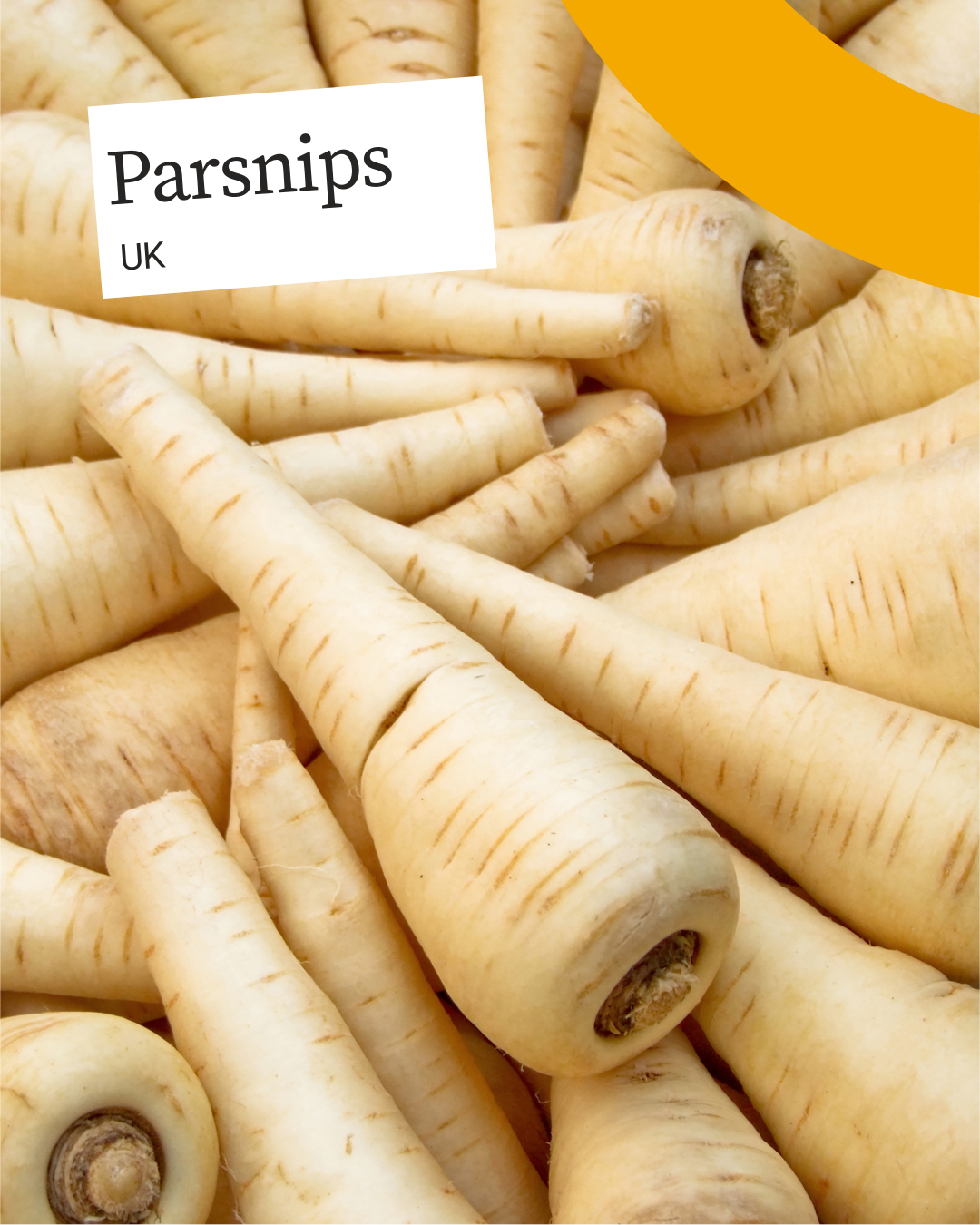
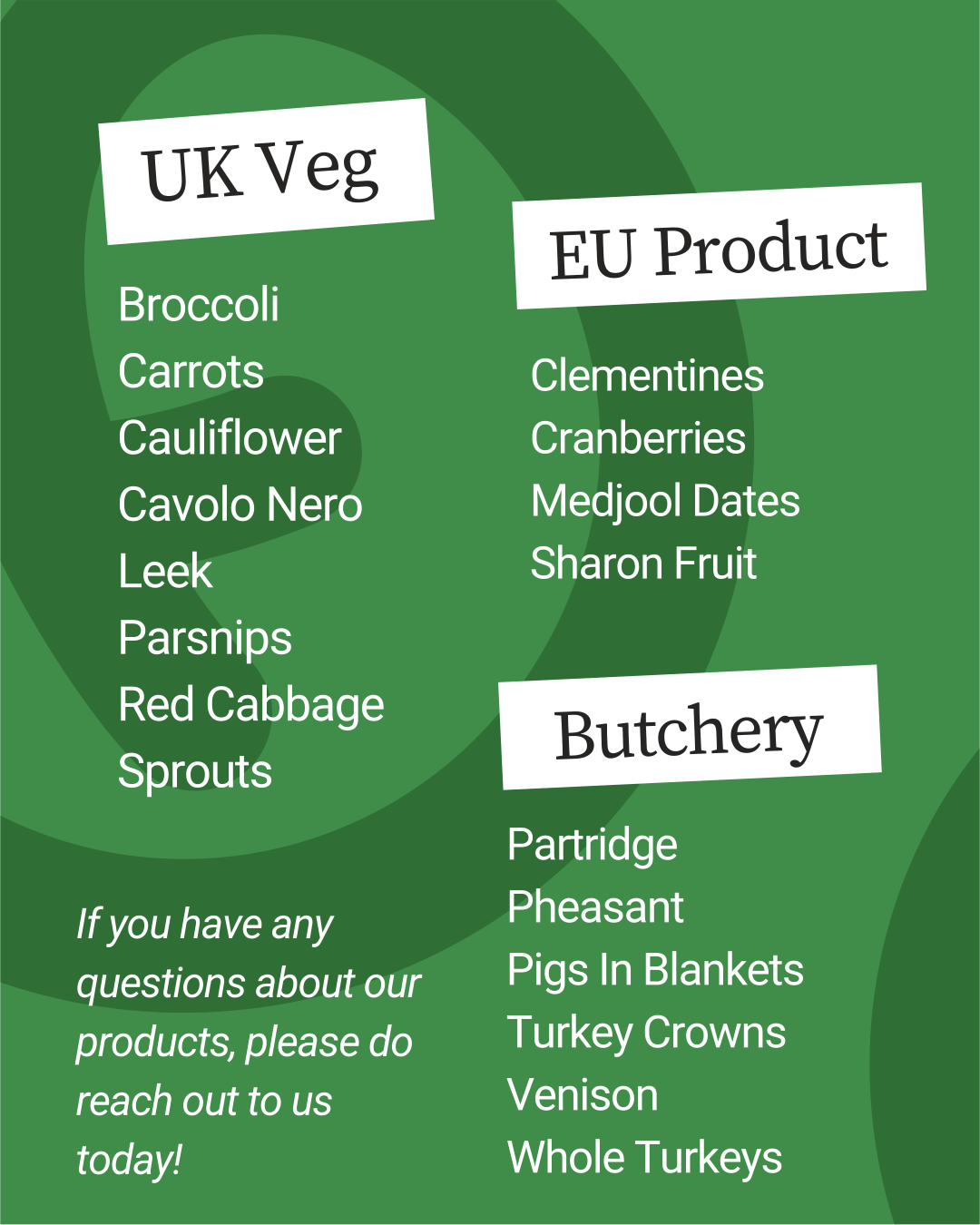
Where December really shines is in its festive staples. Parsnips are in superb condition this season, with excellent sweetness thanks to the colder nights. These are truly at their peak now, ideal for roasting, puréeing or adding depth to winter stews. Sprouts, too, are showing some of the best quality we have seen in recent years, with strong volumes and tight compact buttons perfect for both classic Christmas trimmings and more contemporary dishes. Many chefs are now using them shaved, charred or glazed long before the big day, and this season’s crop is well suited to those styles.
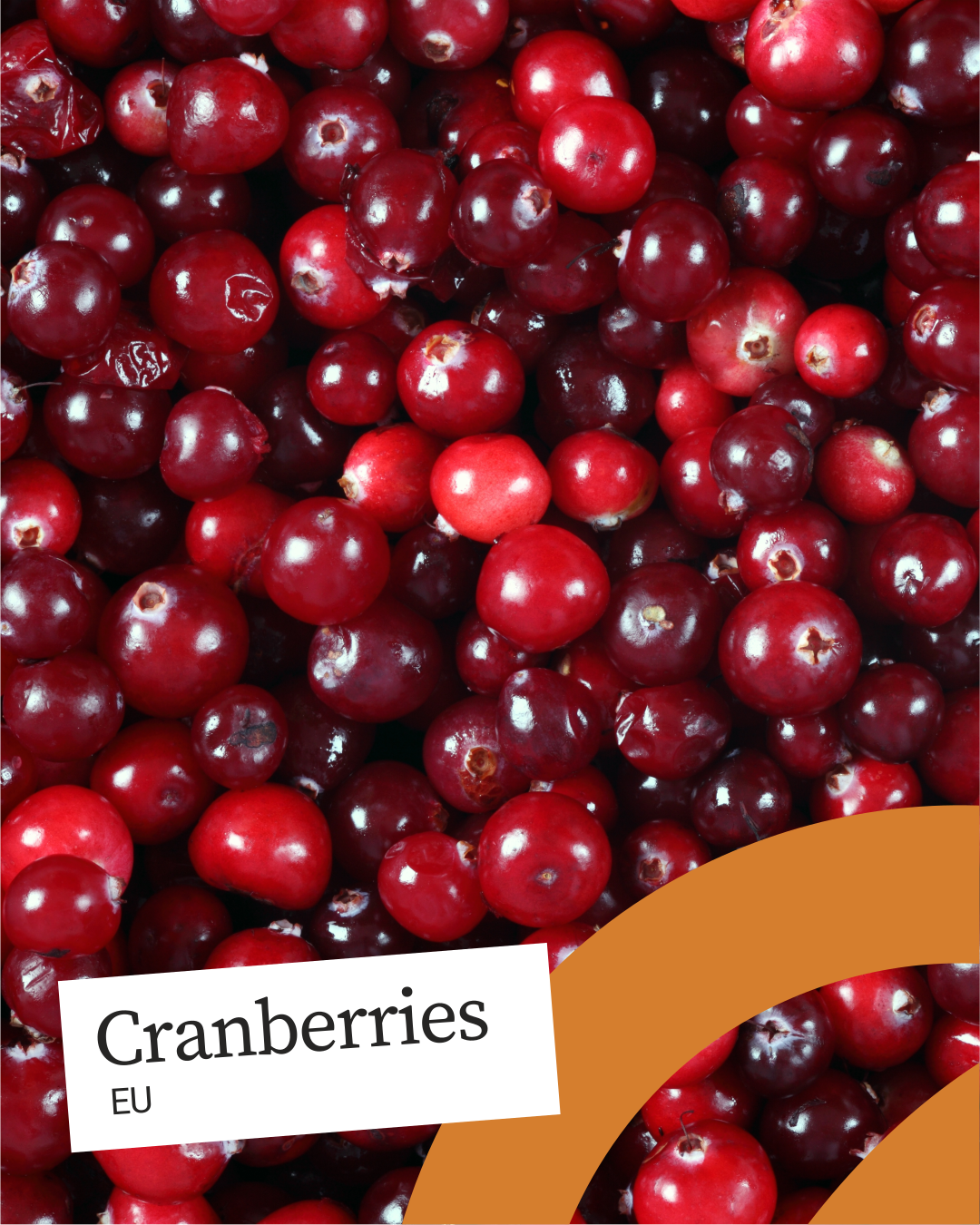
Cranberries deserve a moment in the spotlight as well. Fresh supply is strong through our partners, and their brightness brings essential balance to the richer, more indulgent flavours of December. Whether used traditionally in sauces or in more modern applications such as garnishes, compotes or baked goods, they remain one of the most versatile fruits of the season.
Broccoli and cauliflower are also performing extremely well for December, with consistently strong quality. We will continue to monitor volumes closely as festive demand peaks
Some of our supply partners are offering Christmas tree’s for all your reception and dining areas. Please contact The Hub to see if your supply partner with United Fresh is offering deliveries.
Seafood:
This year brings added complexity with several major sustainability updates, meaning menus will benefit from a little flexibility and a willingness to look beyond the usual favourites.
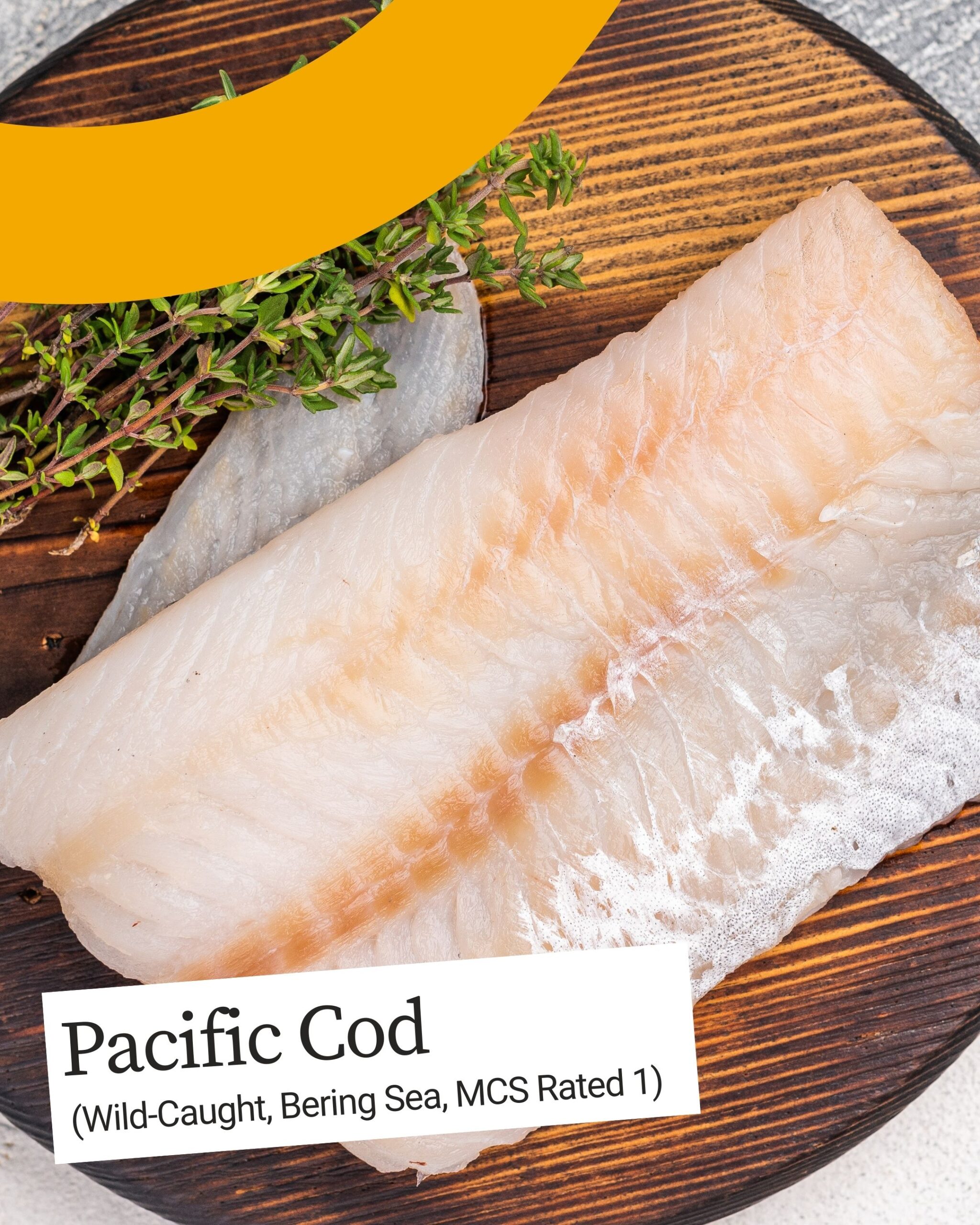
The biggest shift comes from the pressure on whitefish. With the Bering Sea quota sharply reduced, Bering Sea Cod has dropped to an avoid rating, tightening supply across the board. To protect consistency, we have pivoted toward Pacific Cod, which now offers a strong sustainability profile. Icelandic Cod and Scottish or Icelandic Haddock remain the most dependable options for fresh whitefish, carrying MCS 2 or 3 ratings and better long-term resilience. Coley and some UK Haddock fisheries have slipped to lower ratings, so careful sourcing is key.
Flatfish enter a delicate phase as the spawning season approaches. Yields can fall, prices rise and quality becomes more variable. Plaice and Megrim are best approached with caution through the festive period, but Witch Sole holds its condition well and is a useful alternative until spring improves availability. Lemon Sole remains a December favourite, though its rating downgrade means it must be selected carefully. On the brighter side, wild Sea Bass has improved an MCS rating after years of strong management and is an excellent seasonal choice while the window remains open.
Shellfish, meanwhile, is where December shines. Mussels are in peak condition, sustainable, affordable and perfect for winter menus. Until the end of the month, Clams are showing consistently good quality as waters cool. Native Scallops are also strong, with several UK fisheries improving the MCS rating, though imported roeless scallops from Japan and the US continue to see steep price rises due to global shortages.
Premium species sit in a mixed but manageable position. Monkfish stays consistent in quality and remains a festive favourite, though pricing typically climbs through Christmas. Farmed Halibut is stable, sustainable and offers excellent yields, making it a smart hero fish for December menus. Mackerel, however, is best avoided this month with quotas tightening and prices surging globally. Sardines make a far better substitute where that rich, oily profile is needed.
Lobster availability comes from the final weeks of the Canadian season, with UK-native stocks also entering the market depending on the weather. Demand from overseas markets is already pushing prices upward, so chefs are advised to secure volumes early or consider frozen options for consistent portioning. Smoked Salmon remains a festive staple with more stable pricing than many smoked species, whereas Smoked Haddock continues to see inflation due to pressure on larger fillets.
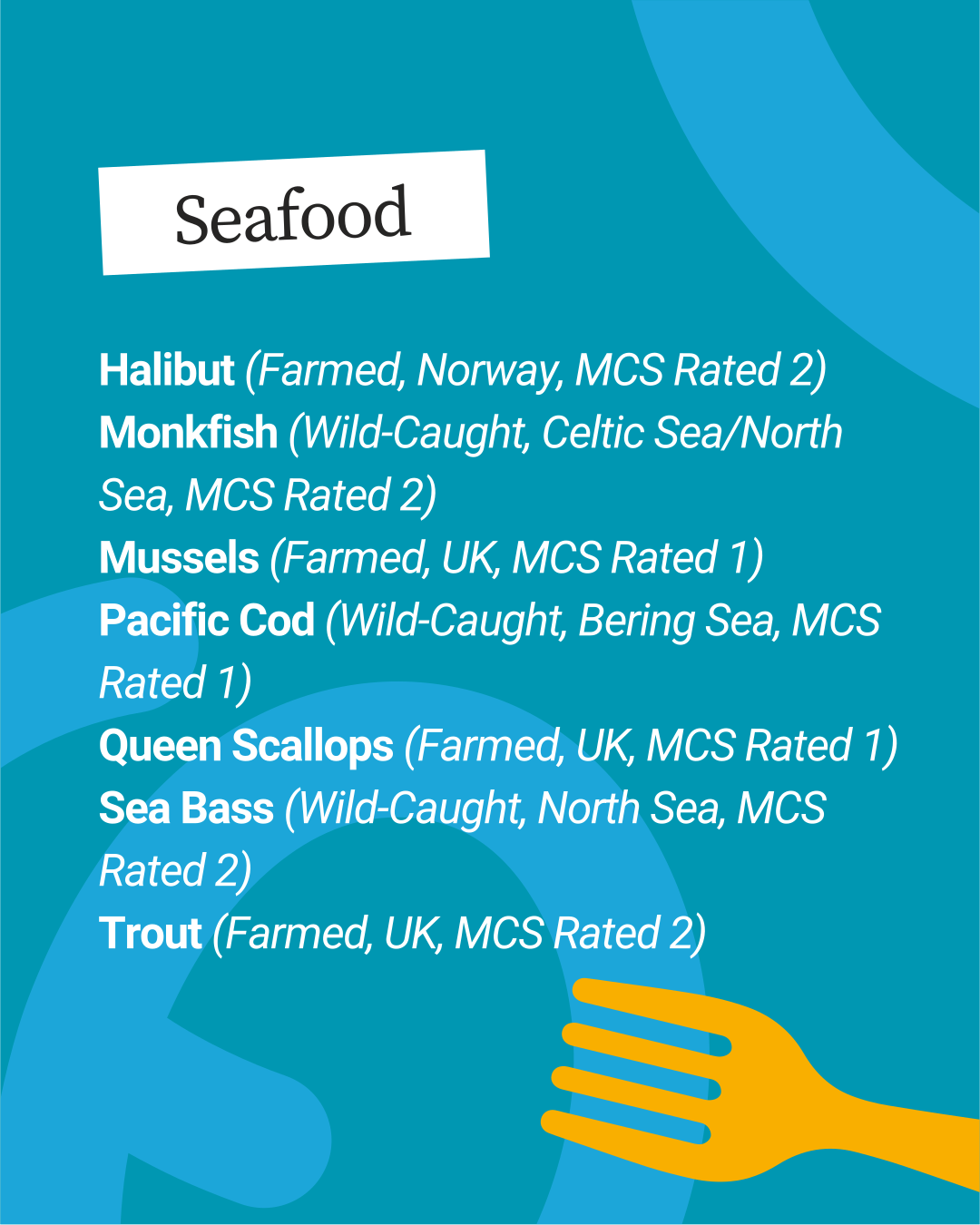
Overall, December rewards those who lean into seasonality. Mussels, Sea Bass, Halibut, Monkfish, Pacific Cod, Trout and Scallops will be your most dependable options, while flexibility around whitefish and flatfish will help keep menus both sustainable and cost-effective through the busiest month of the year.
Our team is always here for any questions or queries you may have about any of the information in this report.
Email us here: thehub@unitedfresh.co.uk
Or call us: 01789 339 106
Don't want to miss out?
Make sure you're following our socials to keep up to date with all things United Fresh!
Seasonality Information
We’ve created a quick and easy visual guide to understanding what products are in season each month!

Disclaimer – This market report is here to guide you, based on the knowledge and experience of our experienced buyers. However, many factors can still influence the market, including unforeseen extreme weather, seasonal changes, supply and demand and climate change impacts.
Don’t stop there!
Read some of our other articles here:
September Market Report 2026
Our September market report covering current foodservice supply chain issues, seasonality, and predictions.

British potatoes are feeling the heat!
Drought and extreme heat are putting the 2026 UK potato crop under pressure, but what does this mean for yields, quality and foodservice supply? We explore what’s happening and why.

August Market Report 2026
Our August market report covering current foodservice supply chain issues, seasonality, and predictions.
