

What is El Niño?
And how could it affect food supply chains?
Over the past few weeks, there has been growing discussion around the return of El Niño and what it could mean for global food production.
Whilst the term regularly appears in headlines, many people are unsure what El Niño actually is, how it affects agriculture, and why foodservice businesses should pay attention.
As climate volatility becomes an increasingly important factor in food production, understanding events like El Niño can help provide valuable context around food supply chains, pricing and sourcing decisions.
What actually is El Niño?
El Niño is a naturally occurring climate phenomenon caused by warming sea surface temperatures in the central and eastern Pacific Ocean.
Although it occurs thousands of miles away, its effects can influence weather patterns across the globe, including rainfall, temperatures and growing conditions in major agricultural regions.
El Niño forms part of the El Niño Southern Oscillation (ENSO) cycle and has occurred many times throughout modern history. What makes it significant is the potential impact it can have on agriculture, water availability and food production around the world.
Depending on the region, El Niño can contribute to:
- Increased rainfall and flooding
- Drier-than-normal growing conditions
- Heatwaves
- Storm activity
- Changes to seasonal growing patterns
How does El Niño affect agriculture & food production?
Agriculture relies on a delicate balance of rainfall, temperature and seasonal weather patterns.
A common misconception is that more rain is always beneficial for crops. In reality, successful food production depends on receiving the right amount of rain, in the right location, at the right time.
Too much rainfall can flood fields, delay harvesting and increase disease pressure. Too little rainfall can reduce yields and impact crop quality.
Weather-related impacts can range from replenished water supplies in some regions to flooding, heat stress and operational disruption in others.
How could El Niño affect UK food supply chains?
The UK may be thousands of miles from the Pacific Ocean, but food supply chains are global.
Many fresh produce categories rely on growing regions around the world, including areas that can experience significant weather changes during El Niño events.
Regions frequently monitored during El Niño include:
- Central and South America
- Southern Africa
- Parts of North America
- South East Asia
- Australia
These areas play an important role in the production of fruit, vegetables and other agricultural commodities.
If growing conditions become more challenging, the effects can sometimes be felt through reduced availability of specific products, variations in quality, higher transport and sourcing costs, and increased market pricing.
However, increased risk should not be confused with guaranteed disruption.
Could El Niño affect food prices in the UK?
Potentially, yes.
Whilst El Niño does not directly affect UK agriculture in the same way as some overseas growing regions, food markets are interconnected.
Weather-related disruption can influence production volumes, freight costs and sourcing decisions, all of which may contribute to market volatility.
Current reporting from organisations including the World Meteorological Organization (WMO), Energy & Climate Intelligence Unit (ECIU) and World Resources Institute (WRI) points towards increased risk and volatility rather than specific forecasts of food shortages.
For foodservice operators, the most likely impacts are:
- Greater pricing volatility
- Temporary availability pressures in certain categories
- Changes in sourcing origins
- Periodic fluctuations in quality
Which products would it affect?
Not all produce categories have the same level of exposure.
Many core vegetables supplied to UK foodservice continue to benefit from sourcing options within the UK and Europe.
These categories are often sourced from regions that may be more directly affected by changing weather patterns associated with El Niño.
That does not mean disruption is inevitable, but it does mean they may experience greater sensitivity to global market conditions.
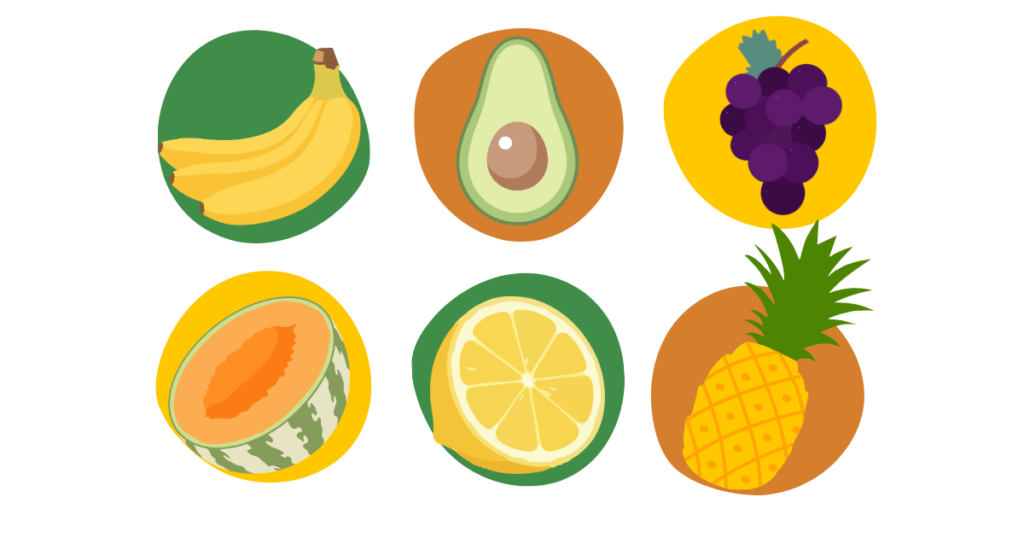
Some products that may be affected:
How do food supply chains adapt?
One of the most overlooked aspects of food supply chains is their ability to adapt!
When weather-related disruption occurs in one region, alternative growing areas can often help maintain continuity of supply.
Earlier this year, flooding in parts of Spain created pressure across several produce categories. As availability tightened, other European growing regions entered the market earlier than usual to help bridge supply gaps.
This flexibility is one of the reasons why increased risk does not automatically translate into widespread shortages.
Resilience relies on three key principles:
- Geographic diversification
- Collaborative forecasting
- Proactive planning
These strategies help reduce dependency on individual growing regions and create greater flexibility when conditions change.
Frequently Asked Questions (FAQs):
Is El Niño caused by climate change?
El Niño is a naturally occurring climate phenomenon that has existed for centuries. However, some scientists believe rising global temperatures may amplify certain impacts associated with El Niño events.
Will El Niño cause food shortages
Current evidence suggests increased volatility is more likely than widespread shortages. Impacts will vary by product category, region and the severity of the event
Which foods could be affected by El Niño?
Imported fruit categories such as bananas, citrus, avocados, grapes, pineapples and melons are generally more exposed to regions commonly associated with El Niño impacts.
Will El Niño increase food prices?
Weather-related disruption can contribute to higher production and transport costs, which may place upward pressure on pricing. However, the scale of any impact remains uncertain.
El Niño is a reminder of how interconnected modern food supply chains have become.
Whilst weather patterns in the Pacific Ocean may seem far removed from UK foodservice, they can influence growing conditions, production volumes and market dynamics across some of the world’s most important agricultural regions.
At this stage, El Niño should be viewed as a signal of increased market risk rather than a forecast of widespread disruption. For foodservice operators, awareness, flexibility and strong supplier relationships remain the best tools for navigating an increasingly complex food supply landscape.
If you have any questions or concerns, please don’t hesitate to reach out to your United Fresh account manager.
Don't want to miss out?
Make sure you're following our socials to keep up to date with all things United Fresh!
Don’t stop there!
Read some of our other articles here: ⬇️
October Market Report 2026
Our October market report covering current foodservice supply chain issues, seasonality, and predictions.
September Market Report 2026
Our September market report covering current foodservice supply chain issues, seasonality, and predictions.

British potatoes are feeling the heat!
Drought and extreme heat are putting the 2026 UK potato crop under pressure, but what does this mean for yields, quality and foodservice supply? We explore what’s happening and why.
