

United Fresh News
It’s been an exciting few months here at United Fresh HQ. Our family just keeps growing, with new faces joining the team and inspiring new supply partners coming on board. In the middle of all this growth, it feels like the perfect moment to pause and remember why we’re here in the first place.
We exist to make local supply easier for chefs, kitchens and hospitality teams, helping them serve the very best of the season while supporting local communities in a meaningful way. Our mission is to connect you with outstanding growers, fisheries, butchers and dairies, to share the stories behind each ingredient and keep you inspired by what’s coming next.
Together, we’re celebrating good food, great people and the power of seasonality to bring menus to life.
September Market Information
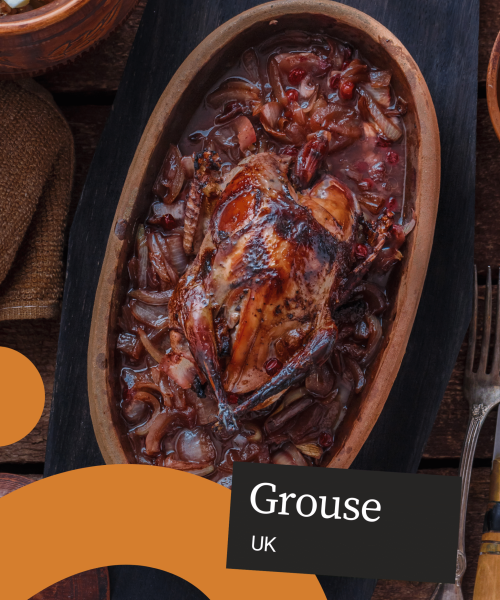
As September arrives, the season shifts from late-summer abundance to the first signs of autumn. Fields are brimming with crisp UK apples, pears and plums, while brassicas, squash and roots start to take centre stage. Out at sea, cooler waters bring excellent quality flatfish, lobster and mussels, with salmon and trout offering steady, reliable options. It is a month of transition, balancing the last of the soft fruits with the first of the autumn harvest, and pairing them with native seafood at its very best.
Seafood:
Salmon has stabilised after a turbulent start to the year. Stronger biomass and shifting global demand are helping to keep prices more balanced, making it easier to plan menus with confidence. It remains a customer favourite thanks to its versatility across both classic and contemporary dishes. Trout continues to be a reliable alternative, with ChalkStream, loch reared and sea reared origins each offering strong provenance and consistency, which is increasingly important for diners who care about sustainability and traceability.
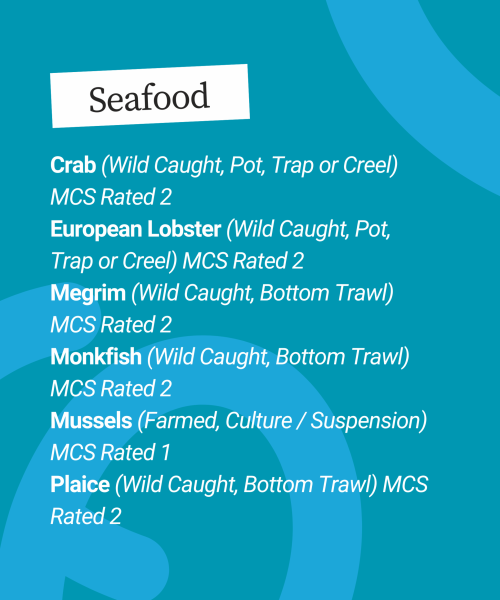
Halibut farms are back at full capacity after summer closures. With an MCS rating of 2, farmed halibut offers chefs a premium menu option that also supports responsible sourcing, especially important as wild halibut is still rated to avoid. Flatfish are another highlight this month. Plaice and lemon sole are showing excellent quality and are priced well compared to pressured whitefish, making them smart, versatile additions. Megrim, also known as Cornish sole, is another great choice, delivering value and a chance to introduce a lesser known British species to menus. Dover sole remains exceptional in quality, though it continues to sit firmly in premium price territory.
Monkfish landings are steady and volumes should remain reliable into the autumn. Its firm texture and versatility across grilling, roasting or curries make it a menu staple, but prices are expected to climb as we move closer to the festive period. Ray wings are also back in play, with species such as thornback and cuckoo now carrying improved ratings. Their flavour profile and adaptability make them a useful option for chefs looking to balance sustainability with creativity.
Whitefish remains under significant pressure. Cod and haddock supplies are tight as quotas continue to restrict landings, while demand for fish and chips keeps volumes stretched. Flexibility is crucial here, with menus listed simply as “fish and chips” allowing for responsible substitutions if needed. Coley is worth serious attention, having grown in popularity across Europe as a cost effective cod alternative, while hake continues to be a reliable choice with steady prices and quality.
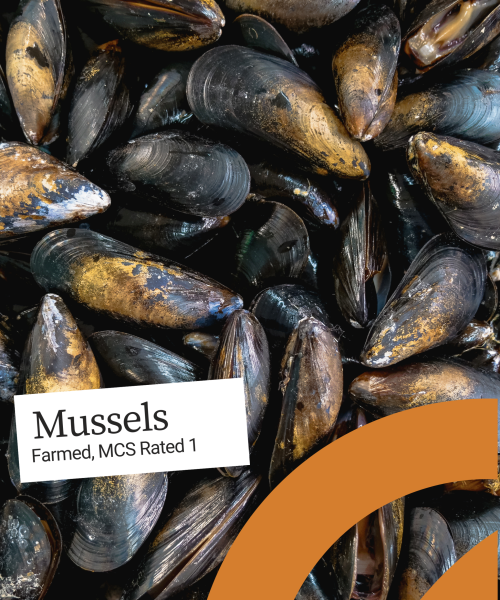
Shellfish is a seasonal highlight this month. Native lobster is still in season, although grading can vary, while mussels are arriving in peak condition, affordable, sustainable and ideal for warming autumn menus. Clams are also benefitting from cooler waters, with quality improving and prices steady. Crab is holding firm, although some fisheries are reporting pots raided by unusually high numbers of octopus, a reminder of how unpredictable wild stocks can be.
Speaking of octopus, the South West has seen unusually high numbers this year, with fishermen finding them in lobster pots in large volumes, while Moroccan stocks have fallen away. This suggests a shift northward, although with sustainability ratings still advising against use, octopus is not a recommended choice for menus. Squid and cuttlefish face similar concerns, though MSC certified alternatives are available.
For chefs planning ahead, this is a good time to consider freezing down volumes of native species such as lemon sole, monkfish or turbot while quality and landings remain strong. With winter weather not far off, menus that lean into September’s steady farmed species alongside the best of native wild fish will be in the strongest position.
Fresh Produce:
September brings a true seasonal crossover. Late-summer favourites are still in play while the first of autumn’s harvest begins to take centre stage. Prices remain steady across most crops, though some imported lines are firming slightly as supply shifts.
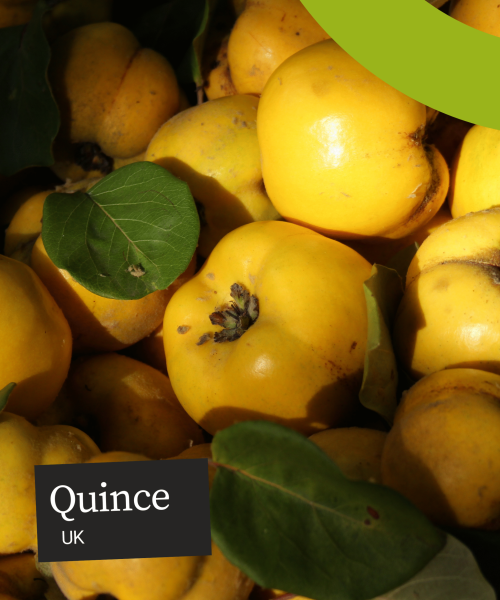
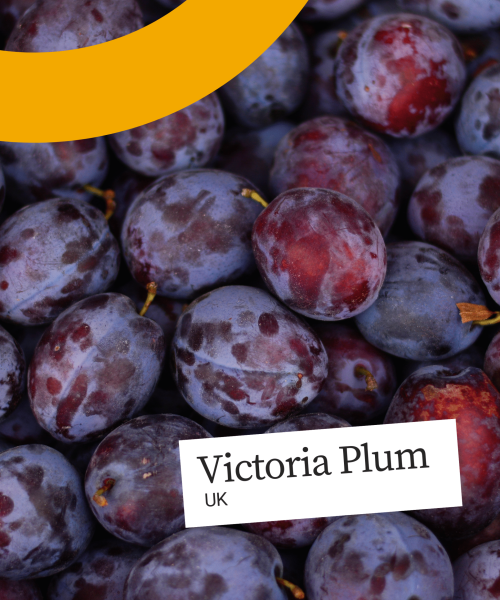
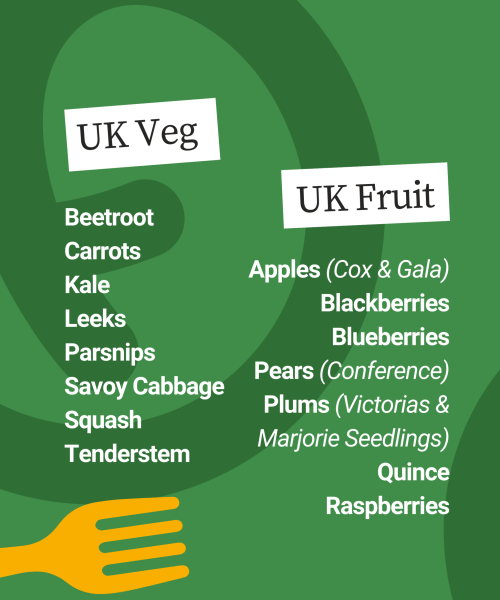
British apples are in full swing, with Cox and Gala varieties crisp, flavourful and full of freshness. Early-season Conference pears are also arriving in volume, sweet and juicy, making them perfect for both savoury and sweet dishes. Blackberries are still holding on, although volumes are beginning to ease back, while blueberries, raspberries and grapes, both UK-grown and imported, are still plentiful and full of flavour. Plums are excellent, with Victorias at their peak and Marjorie Seedlings following close behind. A few late-season cherries remain, though supply is very limited. For something more unusual, UK quince is now arriving, golden and aromatic, offering chefs a chance to bring old-world charm to modern menus.
Brassicas are a mixed picture. Cauliflower and broccoli have struggled with the dry, warm summer, leading to patchy volumes, though a late-season recovery could still come if the rain returns. Kale, savoy cabbage and leeks, however, are thriving, dependable, colourful and versatile crops that anchor autumn menus. Tenderstem remains a safe choice, and UK squash is landing in strength, from butternut to smaller summer squashes that add vibrancy to seasonal plates.
Root crops are now stepping forward. New-season British potatoes are arriving, including Markies and Cheshire varieties in good volume. Markies in particular are dry and floury, a dream for roasting, chipping and mashing. Local carrots are holding steady, parsnips are beginning to sweeten with the cooler nights, and beetroot in red, golden and rainbow varieties is abundant, offering chefs plenty of options for flavour and colour.
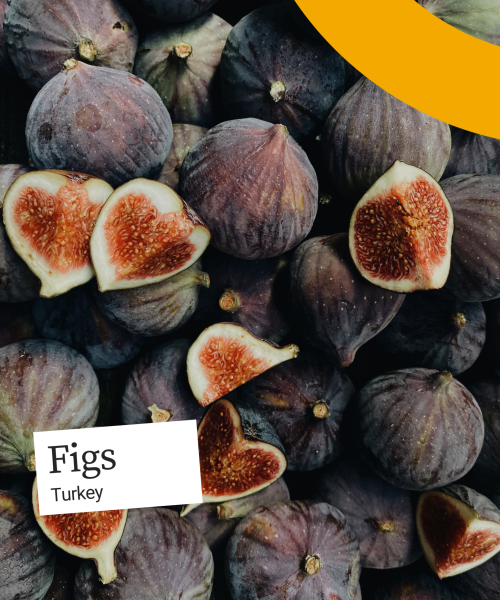
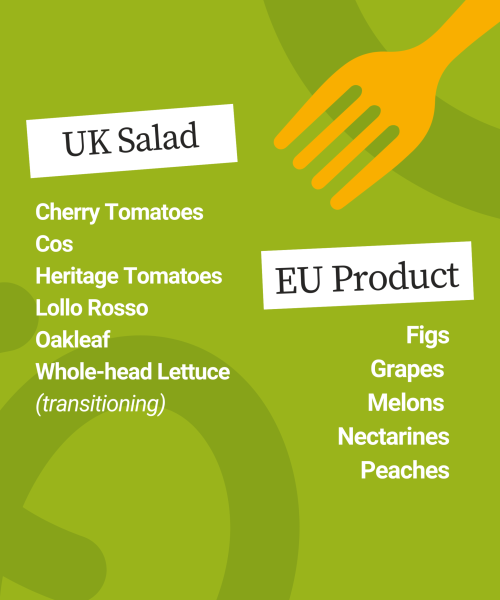
Southern European fruit is also in transition. Nectarines are finishing up, peaches will hold a little longer, and melons are now moving from Spain to Brazil, which brings firmer pricing. Turkish figs are in good condition, sweet and honeyed, and remain a strong seasonal choice for cheeseboards or desserts.
Salads are in their crossover phase too. Dutch tomatoes, peppers and cucumbers continue to arrive in volume, but as September progresses, supply will shift to Spain and Morocco. Whole-head lettuces will follow the same path later in the month. For now, heritage tomatoes and colourful cherry varieties remain a highlight, adding both flavour and visual impact to late-summer and early-autumn plates.
Our team is always here for any questions or queries you may have about any of the information in this report.
Email us here: hello@unitedfresh.co.uk
Or call us: 01789 339 106
Don't want to miss out?
Make sure you're following our socials to keep up to date with all things United Fresh!
Seasonality Information
We’ve created a quick and easy visual guide to understanding what products are in season each month!

Disclaimer – This market report is here to guide you, based on the knowledge and experience of our experienced buyers. However, many factors can still influence the market, including unforeseen extreme weather, seasonal changes, supply and demand and climate change impacts.
Don’t stop there!
Read some of our other articles here:
September Market Report 2026
Our September market report covering current foodservice supply chain issues, seasonality, and predictions.

British potatoes are feeling the heat!
Drought and extreme heat are putting the 2026 UK potato crop under pressure, but what does this mean for yields, quality and foodservice supply? We explore what’s happening and why.
August Market Report 2026
Our August market report covering current foodservice supply chain issues, seasonality, and predictions.
