
United Fresh News
We’re kicking off February on a high.
We’re thrilled to share that United Fresh has been nominated for Food Wholesaler of the Year at The Caterer Supplier Awards 2025. This recognition is more than just an industry nod; it’s a testament to the dedication and hard work of our entire team.
As a family-run, led, and owned business, with two generations at the helm, we take immense pride in what we’ve built. Every day, our team delivers outstanding service, ensuring high-quality, locally sourced products on a national scale. Being recognised by another leading industry body is a fantastic milestone.
We also want to celebrate the opening of nominations for The Burnt Chef Project’s Mental Health Heroes Awards 2025, where we are proud sponsors of the Best Mental Health in the Workplace Strategy (SME/Large) category.
If you know someone who deserves recognition, make sure to nominate them. The categories include:
- Best Mental Health in the Workplace Strategy
- Most Inspiring Wellbeing Champion or Peer
- Most Inspiring Leader
- Unsung Hero, sponsored by our friends at Food Point Produce
- Inspirational Story
- Outstanding Impact in Catering Education
- Ambassador of the Year
With these celebrations on the horizon, we’re anticipating a few sparkling dinners in the months ahead…
Supplier Showcase:
This month, we’re excited to spotlight Food Point Produce, one of our London-based supply partners.
Within the historic arches of NCGM, we’ll be sitting down with founder Stefano to explore the journey behind this innovative business and gain insight into where they’re heading next.
Are you on the list?
Sign up to our email list to be notified when we post a new market report.
Sign Up!
February Market Information
Meat:
As highlighted in our last report, beef farms are feeling the squeeze from rising costs and unpredictable weather, making profitability uncertain. If these pressures continue, we could see price increases later in the year, and we’re keeping a close watch on the situation. We are preparing for further price increases across beef and poultry, with the potential for this to impact the entire product range in the coming months. One key driver is the increase in minimum wage and national insurance in April 2025, which will have a knock-on effect across all businesses.
Beef prices have hit record highs, with deadweight costs continuing to rise due to tightening supply and strong demand both in the UK and globally. Despite a three percent increase in UK prime cattle supply, global markets remain constrained, driven by a two percent decline in Irish cattle slaughter and a 2.3 percent decrease in European beef production in 2024. With demand only increasing, we expect price pressures to continue.
In poultry, major retailers are voluntarily reducing stocking densities from the Red Tractor standard of 38 kilograms per square metre to 30 kilograms. This move results in a 20 percent drop in chick placements, lowering supply and increasing costs.
The poultry industry is also facing challenges from continued Bird Flu outbreaks, leading to widespread culling and further disruptions to supply. As a result, prices for chicken, turkey, and other poultry products are rising, with no immediate relief in sight.
Dairy, Bread and Eggs:
Farm gate returns to dairy farmers have seen a small rise, but this trend is slowing. The UK government’s ban on German imports due to disease concerns could put additional strain on UK producers in the months ahead.
Meanwhile, bread prices edged up by 2.5 pence per loaf in January 2025, adding to overall cost pressures.
The Avian Influenza Prevention Zone has now been extended across England and Scotland, with high-risk areas including York, North Yorkshire, Shropshire, Lincolnshire, Norfolk, and Suffolk requiring poultry to be kept indoors to limit exposure to infected wild birds.
James Mottershead, NFU Poultry Board chairman, said:
“Farmers take immense care to protect their birds, and it is devastating when that is compromised by such a virulent disease.”
While the risk to human health remains low, properly cooked poultry and eggs remain safe to eat.
Fresh Produce:
As we flagged in our last report, cold weather is continuing to affect brassica crops, leading to rising costs and expected shortages. Potatoes remain a challenge for farmers, with seed stocks more limited than in previous years and commanding higher prices. Compounding this, the 2024 yield was lower than expected, further driving up costs. Salad potatoes, also known as mids, have already increased in price, with larger varieties set to follow. Baking potatoes are also seeing price hikes, particularly for larger sizes.
The Spanish strawberry and raspberry season is finally getting underway, though delayed due to last year’s severe flooding in key growing regions. Dutch cucumbers are expected to arrive at the end of the month as we transition into the new season.
The mushroom industry is facing difficulties due to a shortage of high-quality compost, limiting yields. With growers prioritising supermarket orders, wholesale supply remains tight.
On a more positive note, some fantastic seasonal produce is coming through, including Yorkshire forced rhubarb, a true seasonal favourite with vibrant colour, outstanding flavour, and a rich history.
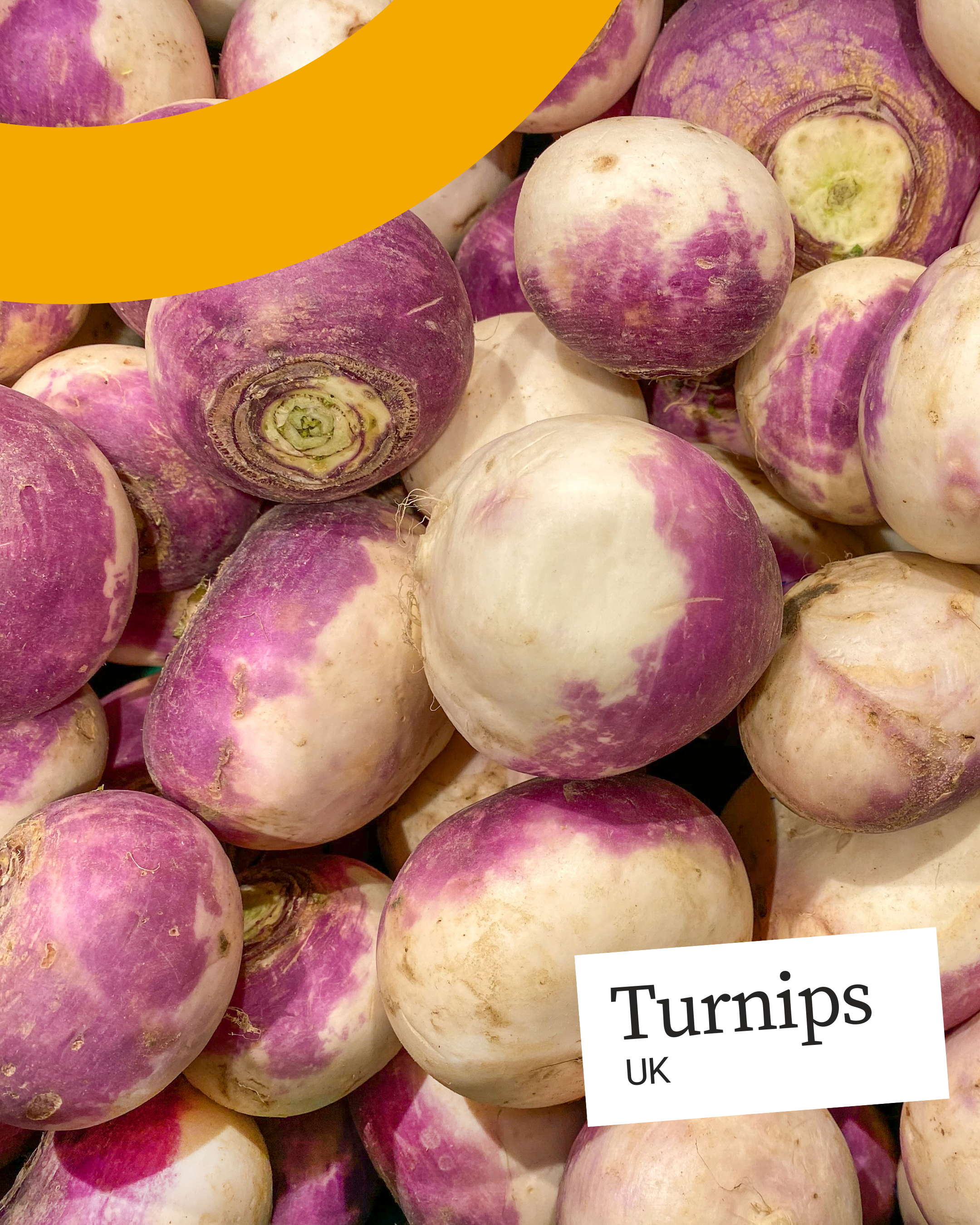
Other standout produce this month includes swede and white turnip, both earthy and versatile, perfect for winter dishes. Sweet potatoes and purple sprouting broccoli are excellent additions to cold-weather menus, while leeks, kale, Savoy cabbage, and parsnips are all at their seasonal best.
Looking ahead, homegrown asparagus, wild garlic, and new potatoes will start appearing later in the season. Some UK asparagus has already surfaced in small quantities, though prices have been exceptionally high. As harvest yields improve in the coming weeks, prices should begin to settle.
Seafood:
February brings an excellent selection of seasonal seafood, with wild Scottish Monkfish, Lemon Sole, Cod, and Haddock all in prime condition. Farmed options, including Norwegian Halibut and Meagre, continue to offer high-quality, consistent supply, while Scottish and Orkney Island Mussels remain a firm favourite.
Each year, from January to April, millions of skrei cod make their way through the Arctic waters of the Barents Sea, returning to their spawning grounds. Now at the end of this extraordinary migration, skrei is in peak season, offering a delicate, clean flavour with large, meaty flakes—ideal for a premium menu feature.
Farmed salmon prices were widely expected to rise sharply in Q1, but as we enter February, prices are instead stabilising and should remain steady through the month.
With Valentine’s Day fast approaching, demand for UK native oysters is set to climb. Popular varieties such as Colchester Pyfleet, Maldon, and Jersey oysters will be in high demand, whether served traditionally raw or cooked to take on bold flavours.
Stocks of larger Bream and Bass will be tight throughout February due to lower availability, pushing prices up. Restaurants and retailers should plan purchases accordingly.
As ever, weather remains a key factor in wild fish availability. Recent storms have limited fishing efforts, particularly on the South Coast, leading to reduced market supply. With ongoing challenges in wild catch reliability, many chefs and buyers continue to turn to farmed alternatives such as Bass, Bream, Turbot, and Halibut offering a sustainable and readily available option.
Our team is always here for any questions or queries you may have about any of the information in this report.
Email us here: hello@unitedfresh.co.uk
Or call us: 01789 339 106
Seasonality Information
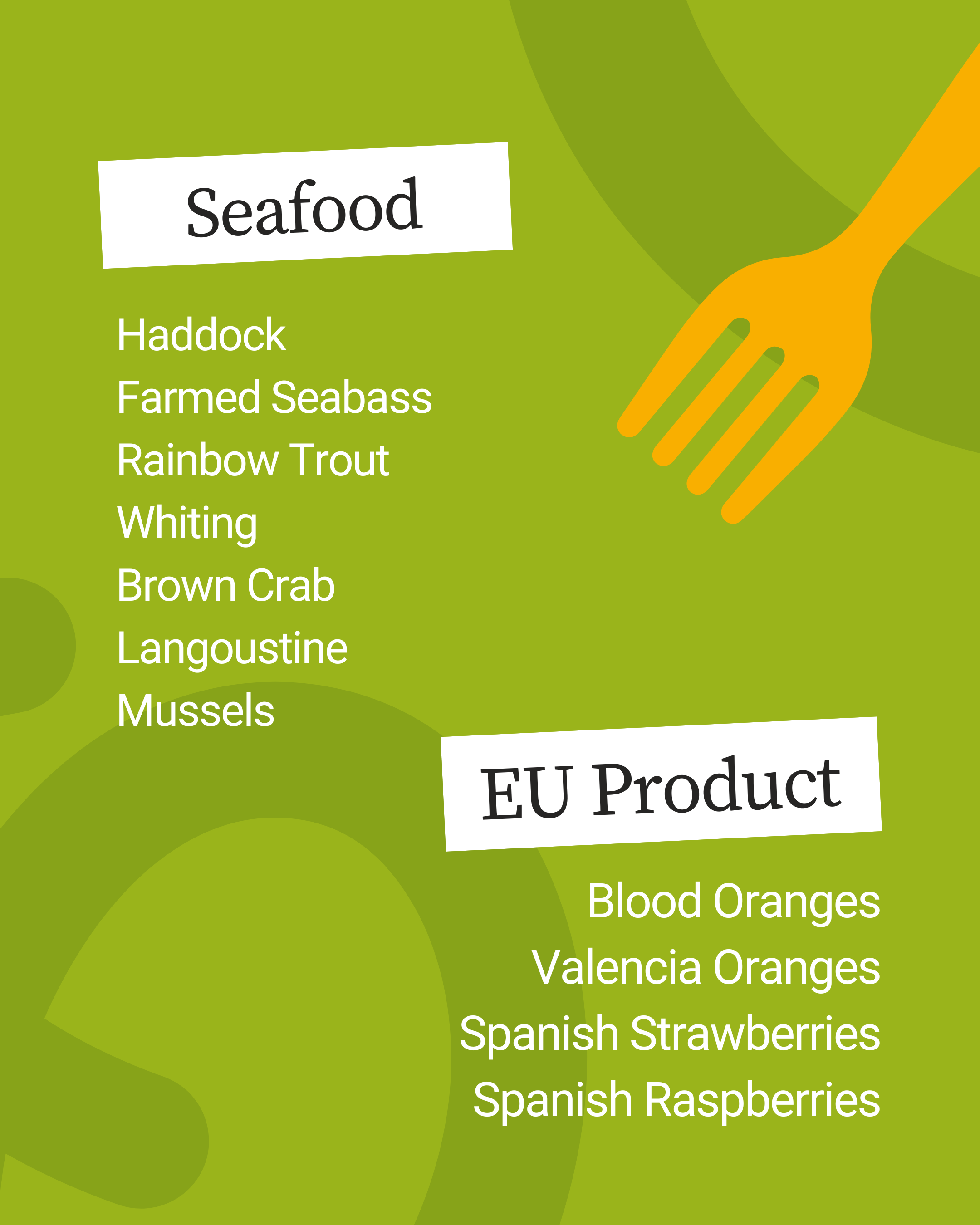
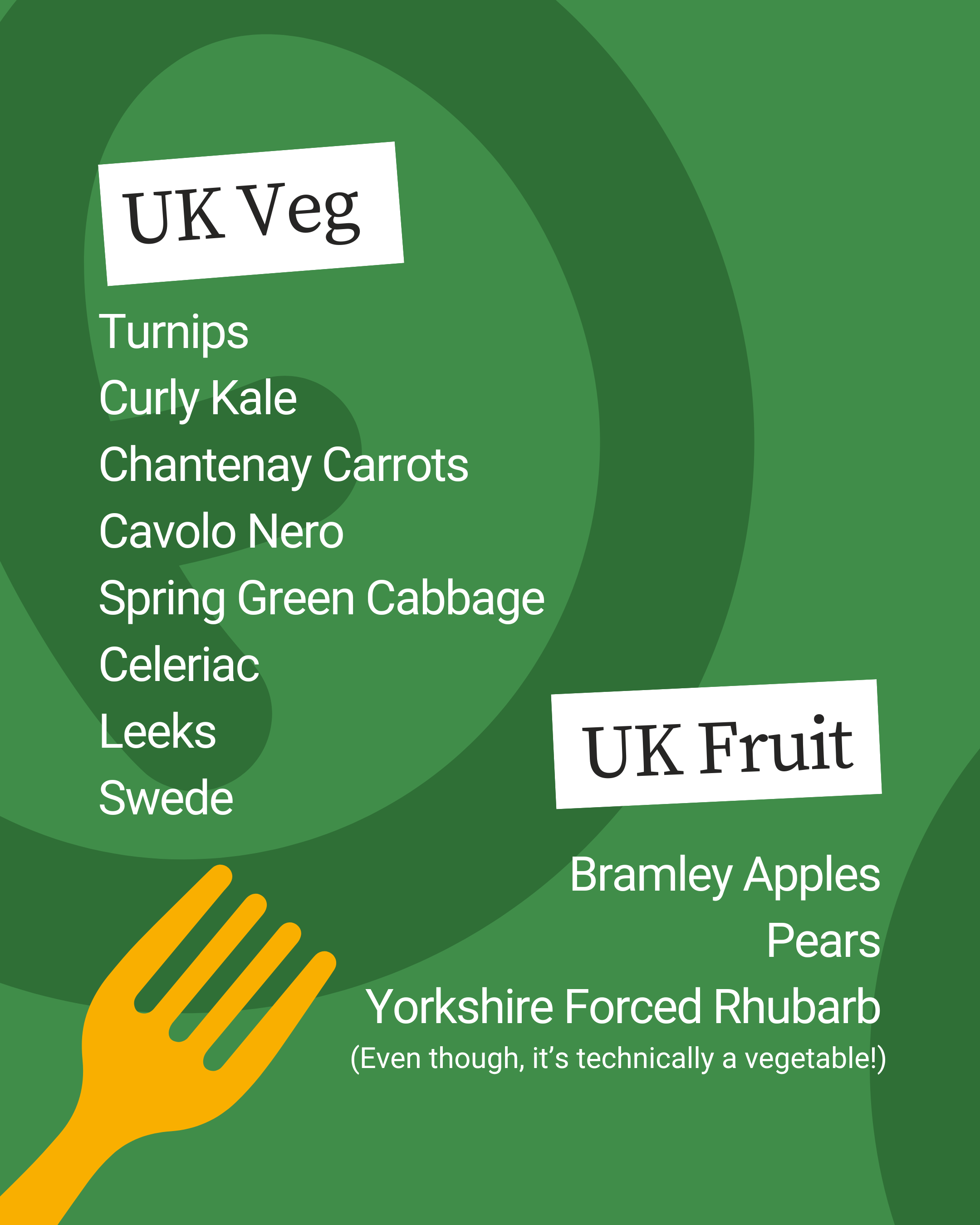
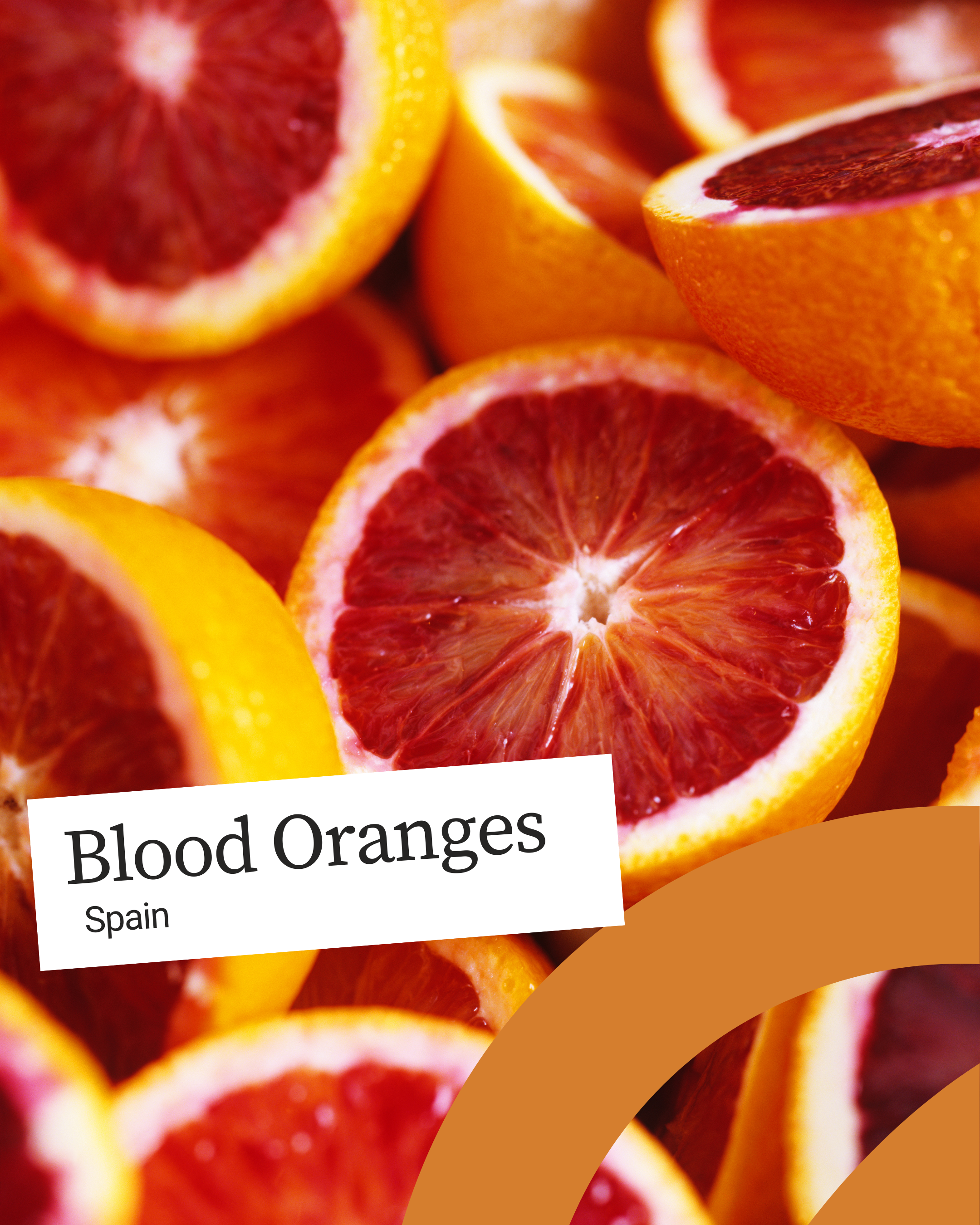
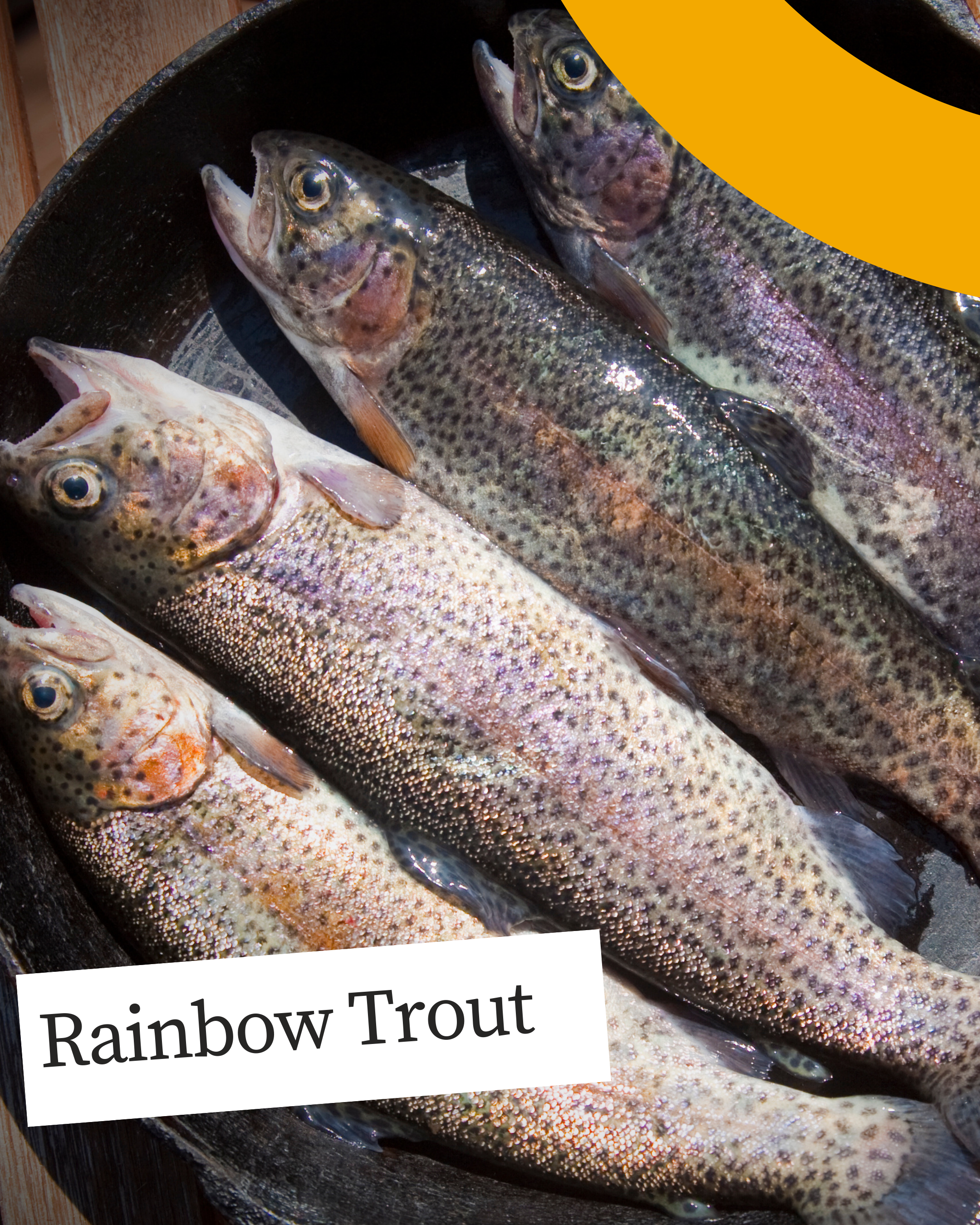
We’ve created a quick and easy visual guide to understanding what products are in season each month. Click here to download the PDF or take a look at the images below.



Disclaimer – This market report is here to guide you, based on the knowledge and experience of our experienced buyers. However, many factors can still influence the market, including unforeseen extreme weather, seasonal changes, supply and demand and climate change impacts.
Don’t stop there!
Read some of our other articles here:
